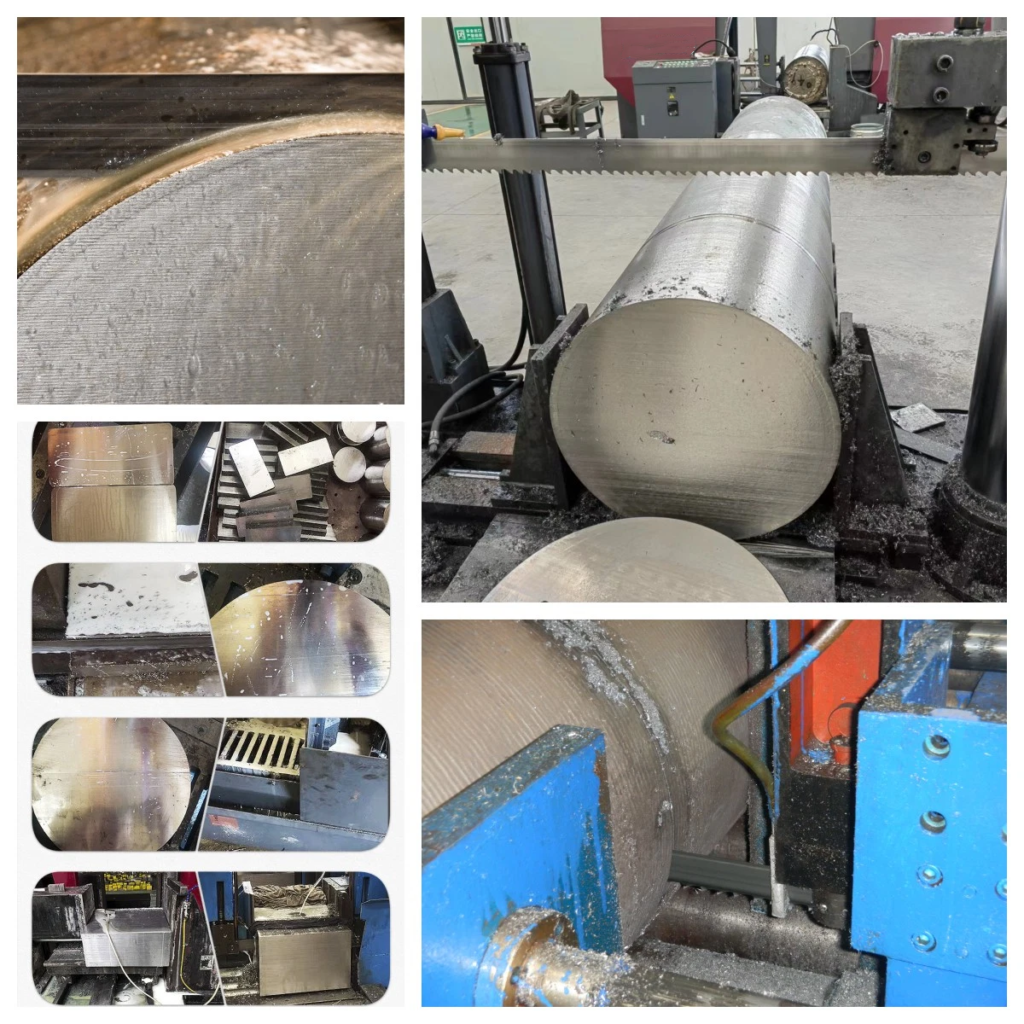
Are your band saw blades snapping unexpectedly? This costs you time and money. Constant replacements and downtime hurt your bottom line and delay orders, but simple checks can fix this.
To prevent band saw blade breakage, focus on proper operation, correct blade selection, and regular machine maintenance. Ensure you follow the right break-in procedure, choose the correct tooth pitch for your material, and check machine settings like guide blocks and hydraulic pressure regularly.
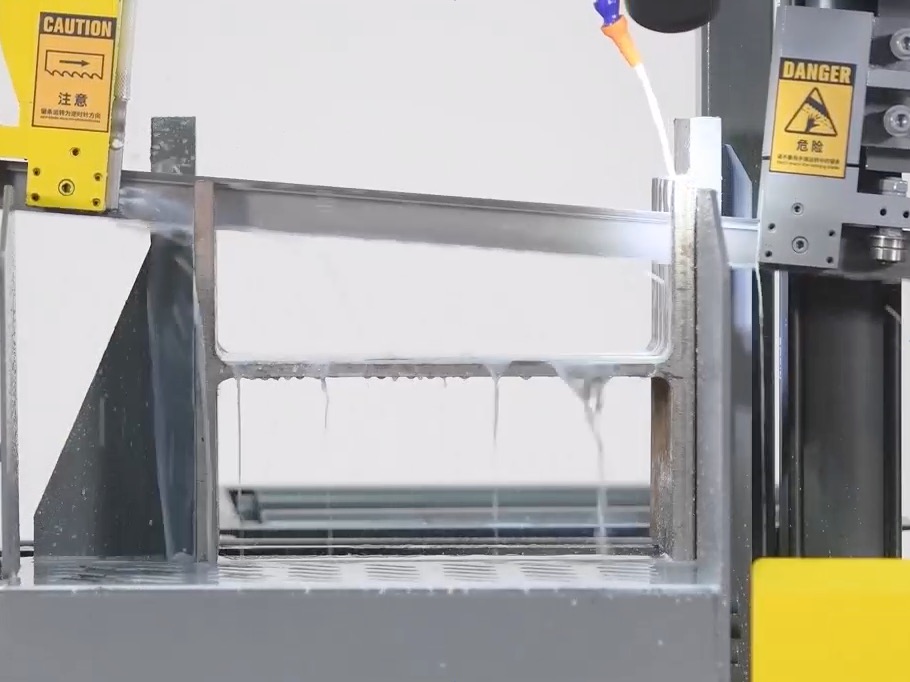
This seems straightforward, but many factors work together to cause a blade to break. I've seen it happen many times in my 20 years in this business. Let's look at the details. Understanding each part helps you find the root cause of your problems and save a lot of money in the long run.
Are you using your new band saw blade correctly?
You just installed a new, expensive blade, but it breaks way too soon. You feel frustrated, thinking the blade is poor quality. The problem might be your process, not the blade.
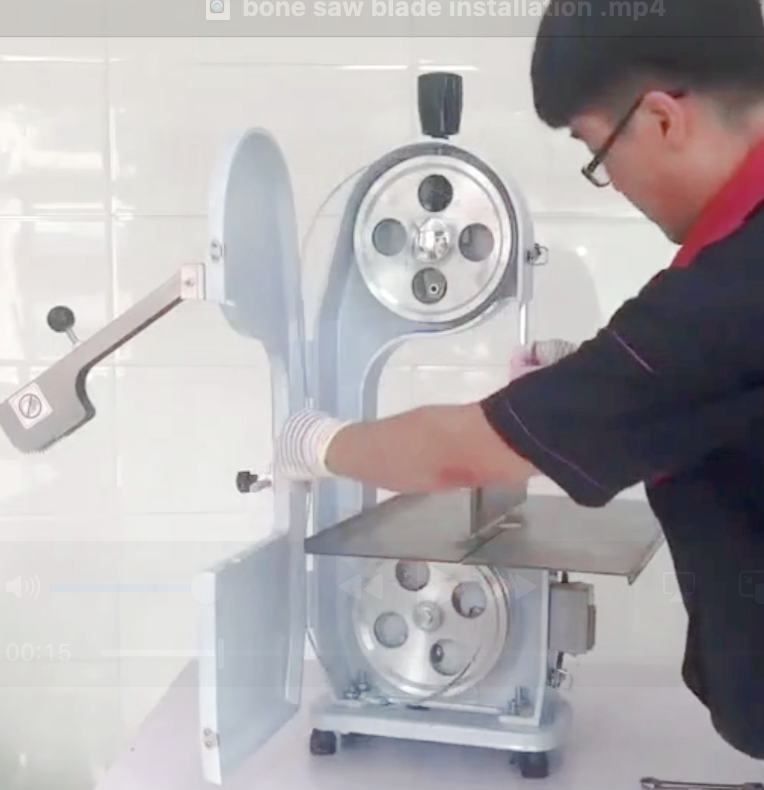
Properly breaking in a new blade is critical. You must run it at a reduced feed rate for the first 5-15 minutes. This hones the sharp tooth tips, preventing premature chipping and extending the blade's life significantly. Also, adjust cutting speeds for different materials.
The Critical Break-In Period
A new band saw blade has extremely sharp, fragile tooth tips right out of the box. If you run it at full feed pressure immediately, these microscopic tips can chip off. Once they are gone, the blade will cut poorly and fail quickly. The break-in period is about gently wearing these tips down, creating a tiny, stable radius on the cutting edge. I remember a client who went through blades weekly. We found out they skipped the break-in process entirely. Once they started running new blades at 50% of the normal feed rate for the first 10 minutes of cutting, their blade life tripled. It was that simple. This small step protects your investment and ensures the blade performs as expected for its entire lifespan. It's the most important thing you can do for a new blade.
Matching Cutting Parameters to the Job
Using the same cutting speed for every material is a common mistake. Different materials behave differently. Hard materials generate more heat and stress, while soft materials can be cut much faster. Not adjusting for this puts unnecessary strain on the blade. For instance, trying to cut hardened tool steel at the same speed as mild steel will overheat the teeth and cause them to fail. You should also think about the blade's life stages. Use a brand-new, sharp blade for your toughest, most expensive materials. As it starts to wear, you can move it to cut softer or less critical materials. This way, you get the maximum value out of every single blade.
| Material Type | Recommended Speed Adjustment | Reason |
|---|---|---|
| Mild Steel | Standard speed | Easy to cut, predictable wear. |
| Stainless Steel | Reduce speed by 25-30% | Work hardens, generates more heat. |
| Hardened/Tool Steel | Reduce speed by 40-50% | Very abrasive, high risk of chipping. |
| Aluminum | Increase speed by 50%+ | Softer, allows for faster chip removal. |
Did you choose the right band saw blade for the job?
Your cuts are rough, slow, or the blade just snapped. You're wasting material and time, wondering if you'll ever find a reliable blade. The solution is often simple: choosing the right tooth pitch.
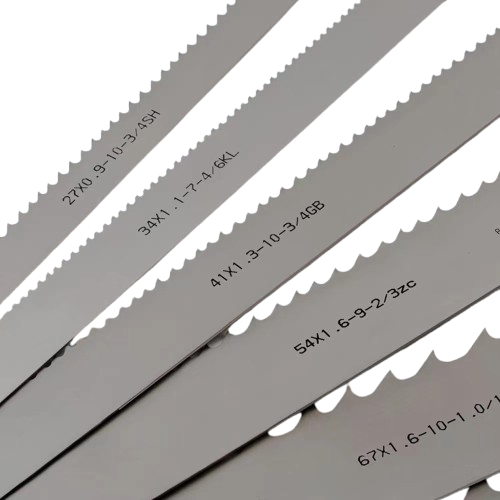
Choosing the correct tooth pitch (TPI) is vital. Use a blade with fewer, larger teeth for thick materials to clear chips effectively. For thin materials, use a blade with more, smaller teeth to ensure at least three teeth are always in the cut, preventing stripping.
Understanding Tooth Pitch (TPI)
Tooth Pitch, or TPI (Teeth Per Inch), is simply how many teeth are in one inch of the blade. This is one of the most important factors in blade selection. The basic rule is this: you need large spaces between the teeth (called gullets) for thick materials, and small spaces for thin materials. Think of it like a rake. You need a rake with wide tines for big piles of leaves, which are like the large chips from thick metal. You need a rake with narrow tines for fine gravel, which is like the small chips from thin metal. If the gullets are too small for the chips being produced, they get clogged. This leads to all sorts of problems. The right TPI ensures smooth cutting and good chip removal, which is key to a long blade life.
Common Mismatches and Their Consequences
Choosing the wrong TPI is a direct path to blade failure. The goal is to always have between 3 and 24 teeth in the material at any given time. If you use a blade with a low TPI (few teeth) on thin material, the teeth can straddle the work, hook on the edge, and get stripped right off the blade. On the other hand, if you use a blade with a high TPI (many teeth) on a thick piece of solid steel, the small gullets will fill up with chips almost instantly. They can't escape. This packs the cut with metal, which generates a massive amount of heat and pressure. The blade will then either bind up and snap, or the teeth will overheat and soften, becoming useless. As a supplier, our advantage is our supply chain. We can quickly help you match the perfect blade to your specific application. Just tell us what you're cutting.
| Scenario | Problem | Result |
|---|---|---|
| Too Few Teeth (Low TPI) on thin material | Teeth straddle the workpiece, catch, and strip. | Stripped teeth, blade breakage, rough cut. |
| Too Many Teeth (High TPI) on thick material | Gullets (space between teeth) fill with chips. | Clogging, overheating, crooked cuts, blade breakage. |
Is your band saw machine causing your blades to break?
You've tried different blades and techniques, but they still break. You're starting to think your expensive machine is the problem, a costly fix. Often, it's not the whole machine, but small adjustments.
Your machine's condition is a major factor in blade life. Check your guide blocks for proper alignment and wear. Also, ensure the hydraulic pressure is stable and clamps hold the material firmly. Worn or poorly adjusted parts will destroy blades quickly, no matter their quality.
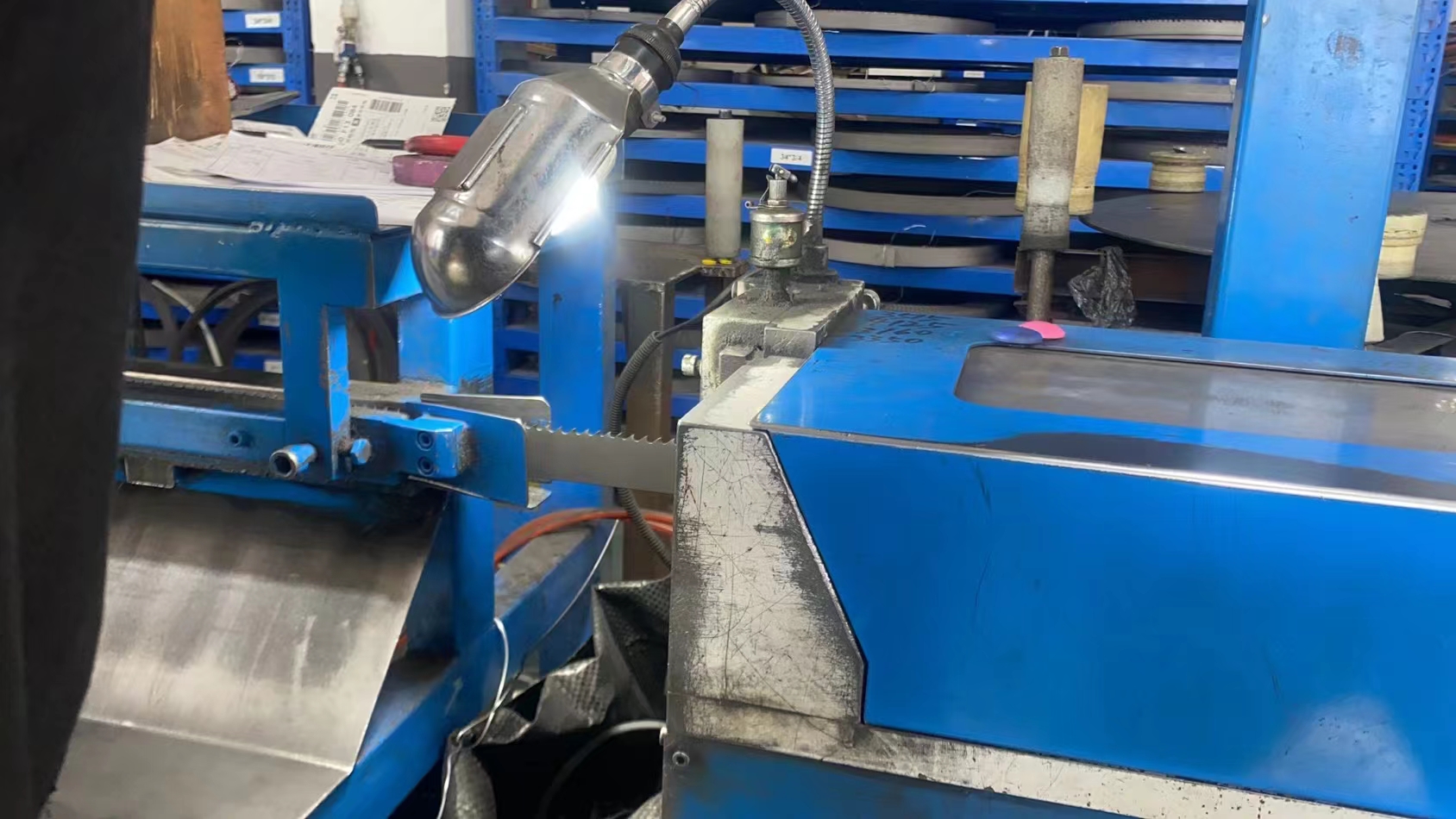
The Importance of Guides and Tension
The blade guides are critical. They are the last point of support for the blade before it enters the material and the first point after it exits. If they are worn or not adjusted correctly, the blade can twist or vibrate during the cut. This movement puts uneven stress on the blade body, leading to fatigue and breakage. The guides should be set as close to the workpiece as possible, and just barely off the blade itself—about the thickness of a piece of paper. Blade tension is just as important. Too little tension lets the blade wander, causing crooked cuts. Too much tension stretches the blade like a rubber band, and it will snap from the combined stress of tension and cutting forces. Always use a tension gauge to set it correctly according to the blade and machine manufacturer's specifications.
Checking Hydraulics and Clamps
The machine's condition directly impacts the blade. The hydraulic system controls the feed rate, which is the downward pressure of the blade. If the oil pump pressure is too high, too low, or unstable, the blade can chatter or plunge into the material. This shock loading can easily snap a blade. I once visited a customer whose cuts were always slanted. We checked everything. Finally, we looked at the material vise. The clamping jaws were so worn that round stock would slightly rotate during the cut. This tiny movement was enough to twist the blade in the cut, causing it to break. A machine is a system of parts, and if one part is worn or unstable, it affects everything else. Regular maintenance is not an option; it's a necessity for good blade life.
| Component | Check For | Frequency |
|---|---|---|
| Guide Blocks/Rollers | Wear, proper alignment, and spacing. | Daily/Weekly |
| Blade Tension | Correct setting per machine/blade specs. | Before each shift |
| Hydraulic System | Stable pressure, clean fluid. | Weekly/Monthly |
| Vise/Clamps | Wear, secure grip, squareness. | Weekly |
| Coolant Flow | Proper aim and flow rate. | Daily |
Conclusion
Preventing blade breakage is about combining the right blade with the right process and a well-maintained machine. Follow these steps, and you will see your blade life increase dramatically.