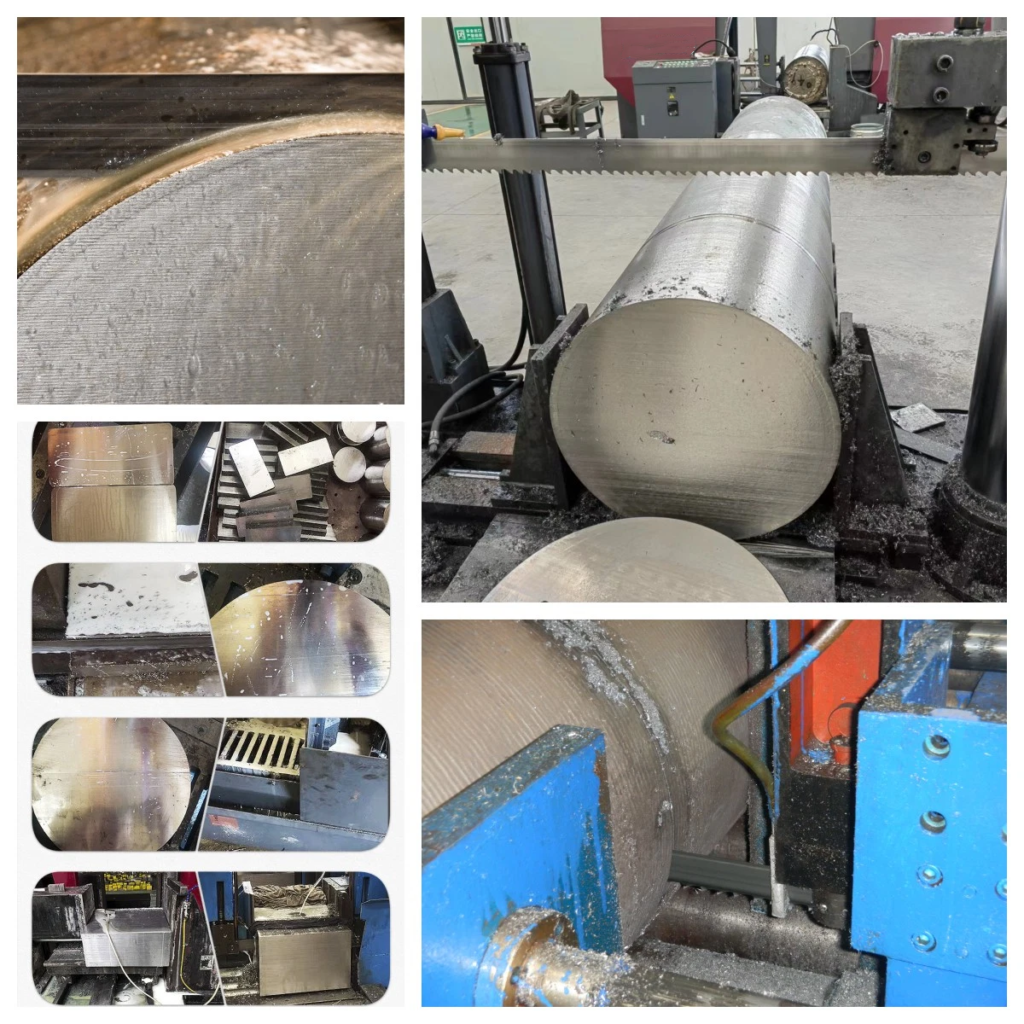
Are your band saw blades breaking too often? This costs you money in replacements and downtime. A simple daily check can double your blade's life and keep your production running smoothly.
The best way to extend your band saw blade's life is through a consistent daily maintenance routine. This involves checking fluid levels, blade tension, the wire brush, and lubrication points. This simple, five-minute check prevents premature wear and ensures optimal cutting performance every day.
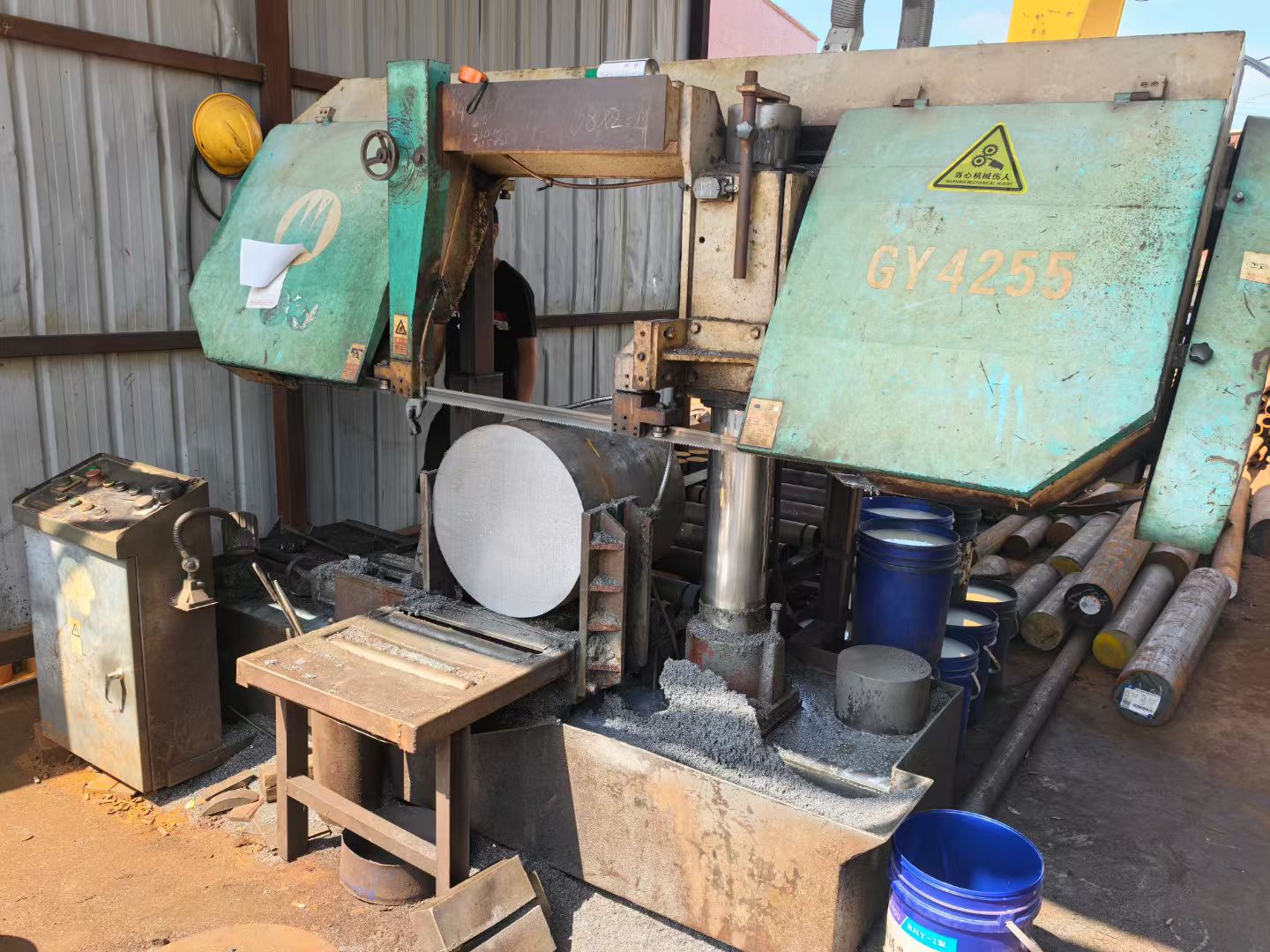
I learned the importance of this routine the hard way. Early in my career, we had a blade snap mid-cut on a rush order. The cause? A simple, overlooked maintenance step. That mistake cost us time and money we couldn't afford. Now, I never end my day without running through these checks. It's a habit that has saved us countless hours and dollars. Let me show you the exact steps I follow.
Should You Check Your Saw's Fluids Every Day?
Running your machine on low fluids is a recipe for disaster. It causes overheating and damage. This simple check takes seconds but can prevent expensive repairs and keep your saw cutting perfectly.
Yes, you must check the hydraulic oil and coolant levels daily. Low levels can lead to poor blade performance, machine overheating, and premature wear. Topping them up ensures the saw operates smoothly and protects both the machine and the blade from damage.
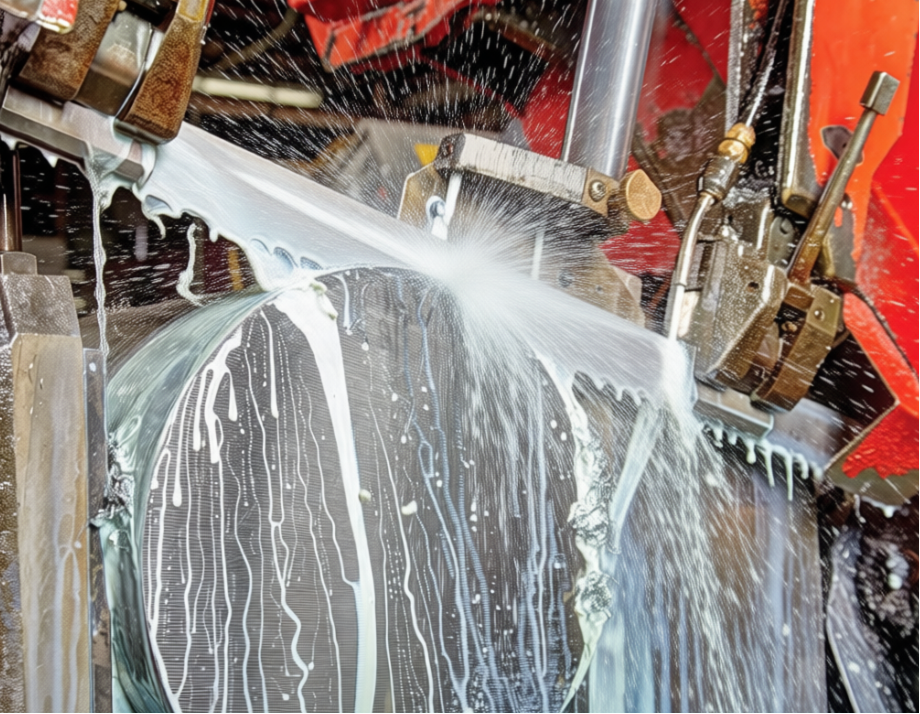
Checking fluids is the very first step in my end-of-day routine. It's non-negotiable. Both hydraulic oil and coolant are the lifeblood of your band saw machine. The hydraulic oil controls the blade's feed pressure. If it's too low, the pressure can be inconsistent, leading to uneven cuts or blade binding. The coolant is just as critical. It keeps the blade and the workpiece cool during cutting. Without enough coolant, the blade can overheat. This softens the tooth tips, making them dull much faster. It can also cause the blade to warp or even crack. I just take a quick look at the sight glasses on the reservoirs. If the level is below the recommended line, I top it up immediately. It’s a small action that prevents big problems.
Here’s a simple breakdown of why this is so important:
| Fluid Level | Potential Problem | Impact on Blade Life |
|---|---|---|
| Low Coolant | Blade and workpiece overheating | Drastically shortens life |
| Low Hydraulic Oil | Inconsistent feed pressure, machine strain | Causes binding and breakage |
| Correct Levels | Smooth operation, proper cooling and pressure | Maximizes blade life |
Is Your Band Saw Blade Tensioned Correctly?
A loose blade wanders, giving you a crooked cut. A blade that's too tight puts stress on the blade and the machine's wheels. Both problems lead to premature blade failure.
Proper blade tension is critical. It must be checked daily to ensure it is tight enough for a straight cut but not so tight that it strains the blade or machine. Also, check that it sits correctly within the guide arms, as this prevents wandering and premature wear.
After checking the fluids, I move to the blade itself. I always say that a band saw blade is only as good as its tension. If the tension is off, nothing else matters. Most modern saws have a tension gauge, which makes this step easy. I just check to make sure the needle is in the green zone for the blade width I'm using. If it doesn't have a gauge, I use the "flutter" test I learned years ago. With the machine off, I twist the blade slightly. It should feel taut with very little give. A loose blade will vibrate and create a wavy cut. A blade that's too tight is under constant stress. This can lead to stress fractures and a sudden, dangerous snap. At the same time, I check the blade guides. These small blocks or rollers keep the blade straight as it passes through the material. I make sure they are set just close enough to support the blade without pinching it.
This table shows what happens when tension is wrong:
| Tension Level | Cutting Result | Effect on Blade |
|---|---|---|
| Too Loose | Wavy, inaccurate cuts | Vibrates, wears unevenly, dulls |
| Too Tight | Straight cuts, but machine strain | Prone to stress cracks, snaps |
| Correct | Clean, straight, accurate cuts | Even wear, long life |
Why Is the Wire Brush So Important for Blade Health?
You see metal chips building up in the blade's teeth, but you ignore them. This mistake is destroying your blades. Clogged teeth can't cut efficiently, leading to a poor finish and a broken blade.
The wire brush is essential because it cleans metal chips from the blade's gullets. If chips are not removed, they get carried back into the cut. This causes tooth stripping, poor surface finish, and can lead to premature blade failure. You should check it daily.
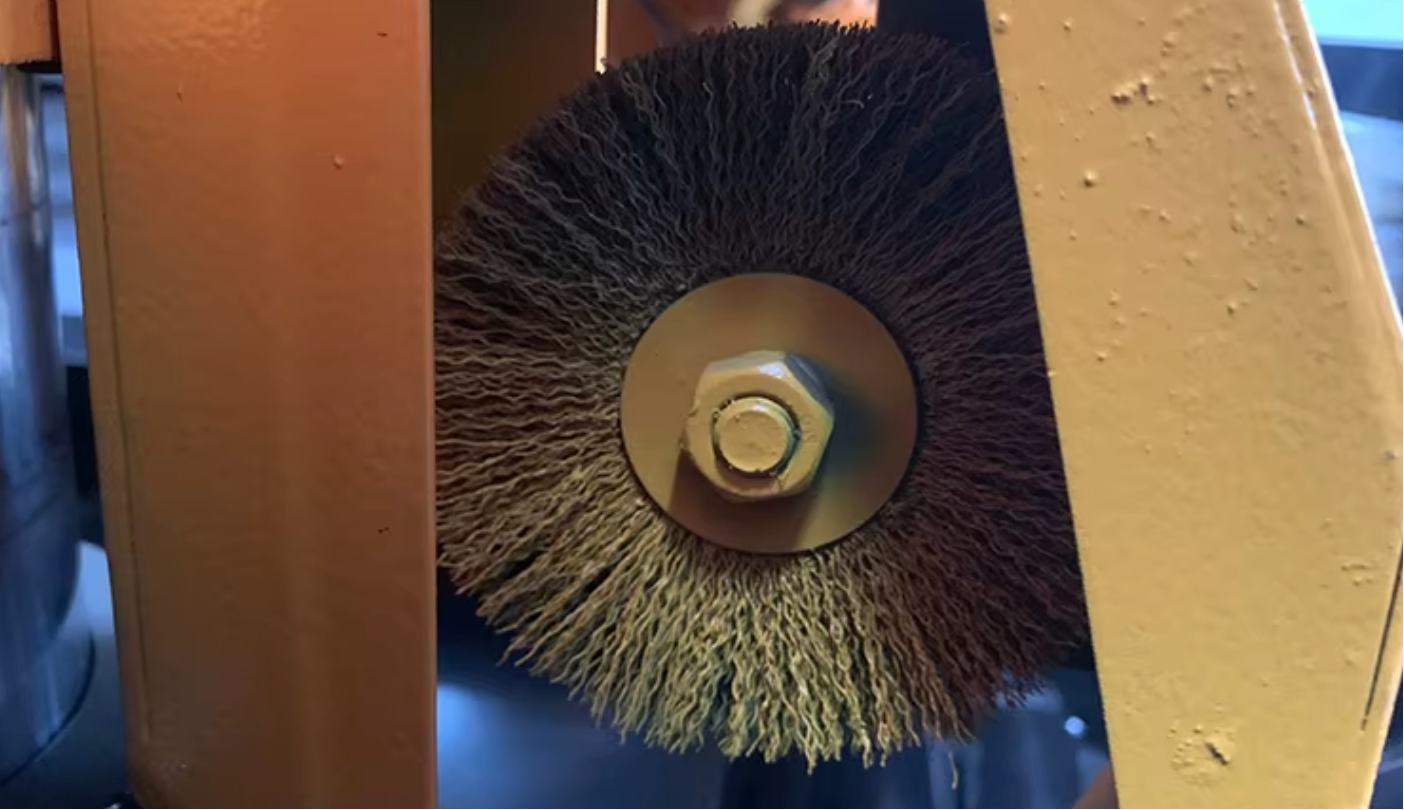
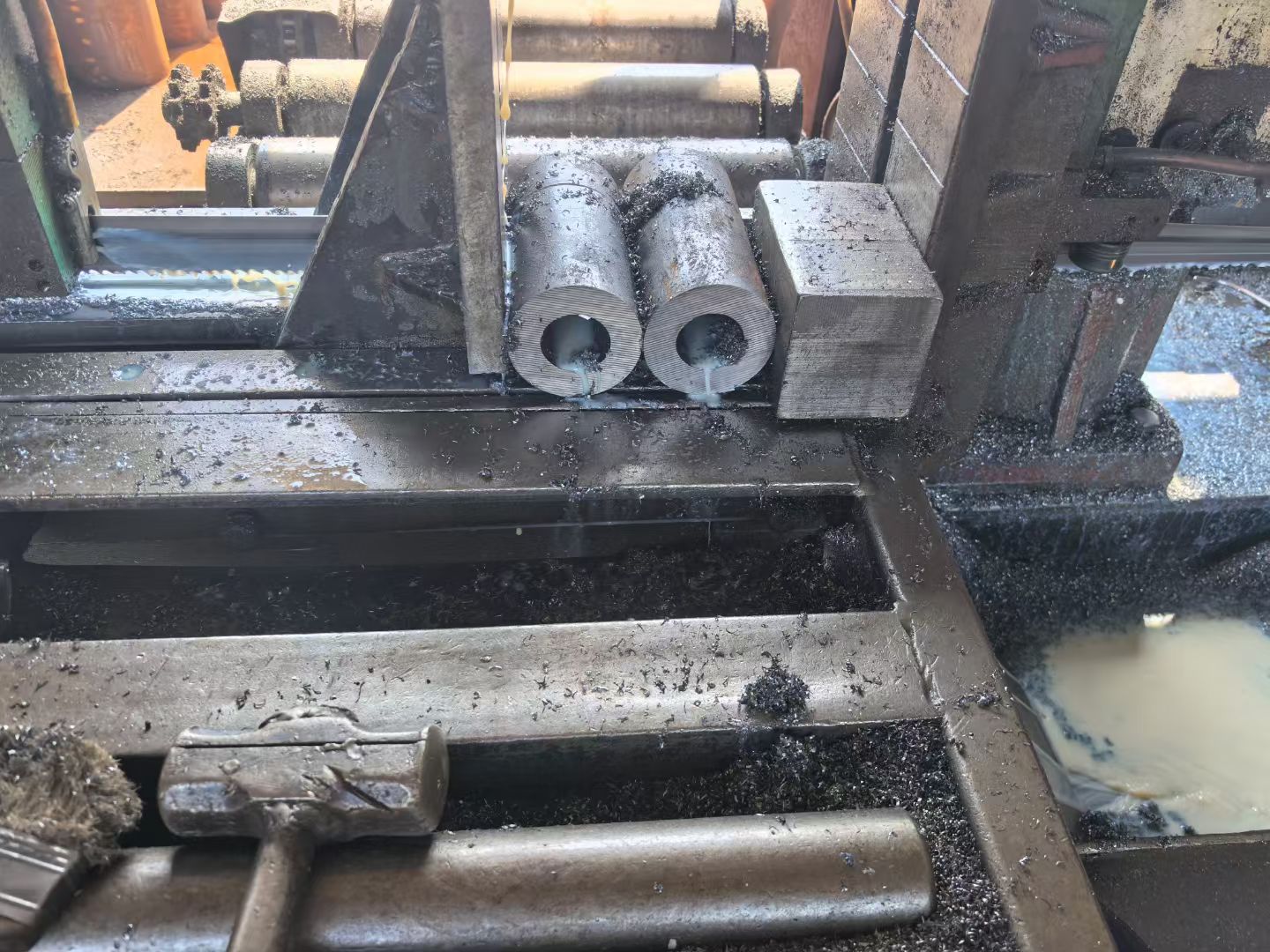
The wire brush might look like a small, insignificant part, but it has a huge job. Its only purpose is to clean the chips out of the gullets—the space between the saw teeth—as the blade exits the cut. If this brush is worn out or not making proper contact, it can't do its job. Chips get packed into the gullets. When the blade comes around again, there's no room for the new chips being created. This puts immense pressure on the teeth. The result? You get a rough cut finish, the blade might start to bind, and eventually, the teeth will strip right off. I check the brush every day. I make sure it's spinning when the blade runs and that the bristles are making firm contact with the blade. If the bristles are worn down, I replace it immediately. It’s a cheap part that protects a much more expensive blade.
Think about the condition of your brush and its impact:
| Wire Brush Condition | Chip Removal | Cutting Performance |
|---|---|---|
| Worn or Missing | Poor or none | Rough finish, stripped teeth, breakage |
| Good Contact | Excellent | Smooth finish, long tooth life |
| Too Much Pressure | Good, but wears fast | Can cause premature brush and blade wear |
Are You Missing This Simple Lubrication Step?
Your machine has many moving parts that rub against each other. Without proper lubrication, this friction creates heat and wear. This will eventually lead to a breakdown and costly repairs.
You must lubricate all moving parts and sliding surfaces on your saw daily. This simple step reduces friction and wear, preventing parts from seizing up. It ensures the machine operates smoothly and reliably, which directly contributes to better cuts and longer blade life.
The final step in my daily check is lubrication. This is the one people forget most often, but it's just as important as the others. Your band saw has many moving parts. The guide arms slide, the vise clamps, and there are various pivot points. All these metal-on-metal surfaces need a thin film of oil to move freely. Without it, they create friction. Friction creates heat and causes parts to wear out quickly. I keep a small oil can near the saw. At the end of the day, I walk around the machine and put a drop of oil on every lubrication point, often marked with a red or yellow cap. I also wipe down and lightly oil any sliding surfaces, like the ways the cutting head moves on. This takes less than a minute. It keeps the machine running like new and prevents the jerky movements that can shock and damage a band saw blade. It’s about keeping the whole system healthy, not just the blade.
Here are the key spots I always check:
| Lubrication Point | Why It's Important | Consequence of Neglect |
|---|---|---|
| Blade Guide Arms | Allows for easy and precise positioning | Hard to adjust, inaccurate cuts |
| Vise Screw/Slide | Ensures smooth and firm clamping of material | Vise can stick or seize up |
| Pivot Points | Allows the saw head to move up and down freely | Jerky motion, machine strain |
| Wheel Bearings | Lets the blade wheels spin with minimal friction | Overheating, bearing failure |
Conclusion
This daily five-minute check on fluids, tension, the wire brush, and lubrication will save you hours of downtime and protect your investment in high-quality blades.