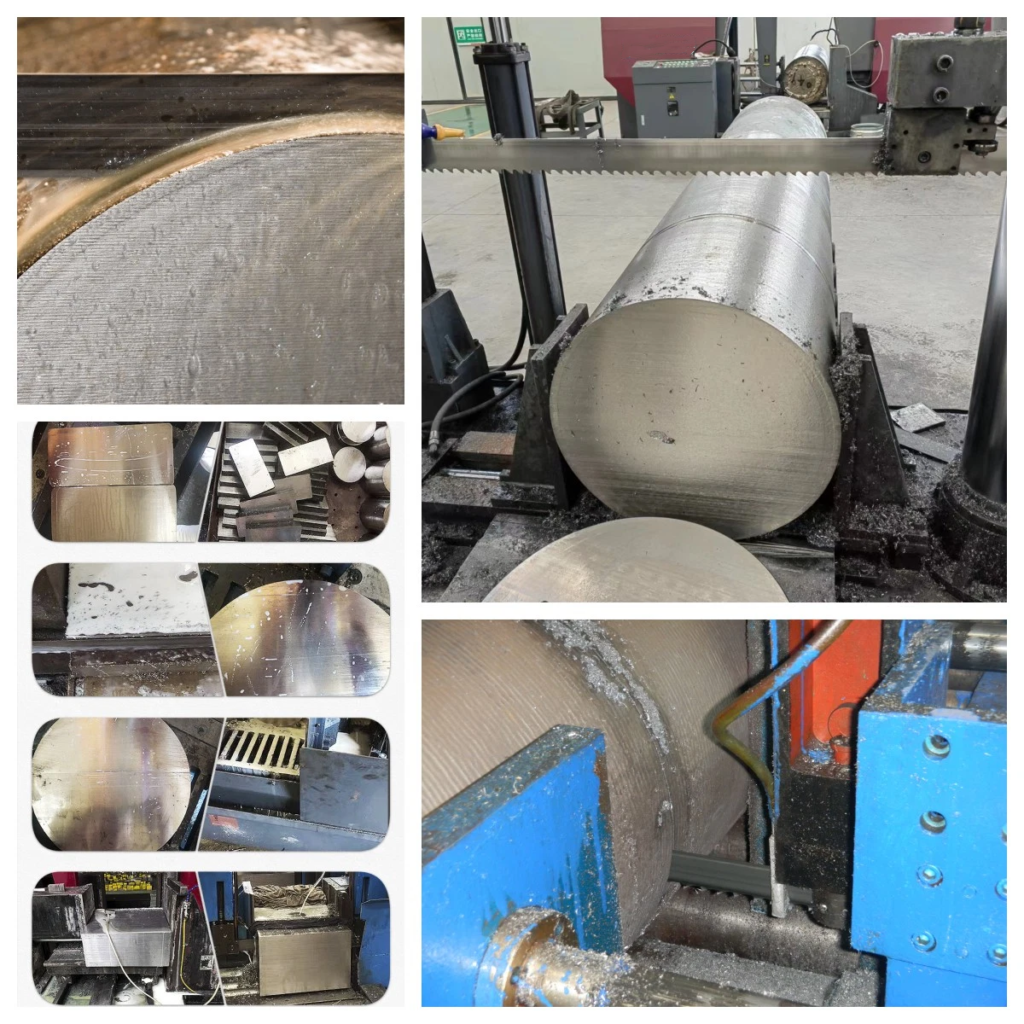
Skewed cuts ruin your materials and cost you money. This frustrating issue disrupts your workflow and hurts your bottom line. But understanding the cause is the first step to perfect cuts.
Skewed cuts are often caused by inaccurate cutting angles, uneven blade wear, unstable materials, or machine issues like vibration and loose blades. The solution involves regular maintenance, proper operator training, and correct machine setup.
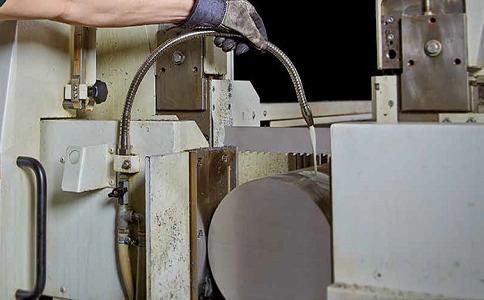
I've seen this problem countless times in workshops. It's a common headache, but it is always fixable. You don't have to live with bad cuts. Let's break down each cause one by one. This will help you get back to clean, efficient cutting. We will look at the blade, the machine, and even the material itself to find the real problem.
Could your band saw blade be the real problem?
You keep changing blades, but your cuts are still crooked. This costs you time and perfectly good blades. Let's find out if the blade itself is the hidden culprit.
Yes, your blade could be the problem. Uneven wear, improper tension, or a loose or warped blade will almost always lead to skewed cuts. Regular checks and correct installation are key.
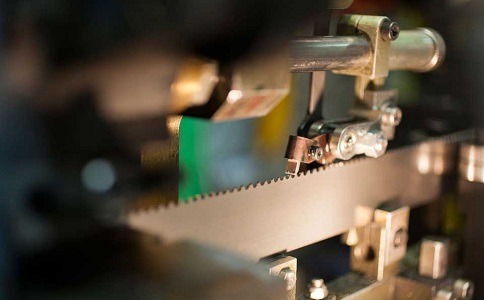
I find that the blade is the first place people look, and for good reason. It's the part doing the actual work. But simply swapping it for a new one might not solve the root cause. We need to look closer at how the blade is wearing and how it's installed.
Dealing with Uneven Blade Wear
A blade should wear down evenly across its teeth. When one side wears faster than the other, it naturally wants to pull the cut in that direction. This can happen for a few reasons. The blade tension might be too high, putting stress on one side. Or maybe the blade guides are not set correctly, forcing one side to do more work. I once worked with a team that went through blades twice as fast as expected. We found their tension gauge was broken, so they were overtightening every single blade. Once we fixed that, their blade life and cut quality improved immediately. Regular checks are essential.
Fixing a Loose or Warped Blade
A blade that isn't secure will never cut straight. It will wobble and drift. Always check that the blade is properly tensioned and that all locking mechanisms are tight. Blades can also warp, especially from overheating. If you cut too fast or without enough coolant, the heat can permanently bend the blade. A warped blade is useless for accurate work and must be replaced. Controlling your cutting speed and ensuring a steady flow of coolant not only gives you a better finish but also protects your blades from heat damage, saving you money in the long run.
| Blade Issue | How to Check | Solution |
|---|---|---|
| Uneven Wear | Visually inspect the teeth. Feel for differences. | Adjust blade tension. Check blade guides. |
| Loose Blade | Try to move the blade side-to-side by hand (when off!). | Re-tension the blade per manufacturer specs. |
| Warped Blade | Lay the blade on a flat surface. Look for gaps. | Replace the blade. Control cutting temperature. |
Is your machine setup or operator skill causing crooked cuts?
You have a perfect blade, but the cuts are still off. This is very frustrating and confusing. Your machine settings or the operator's technique might be the real issue.
Absolutely. An inaccurate cutting angle set by the operator or machine can cause skews. Also, machine vibrations, worn-out guide rails, or other equipment faults are common causes for crooked cuts.
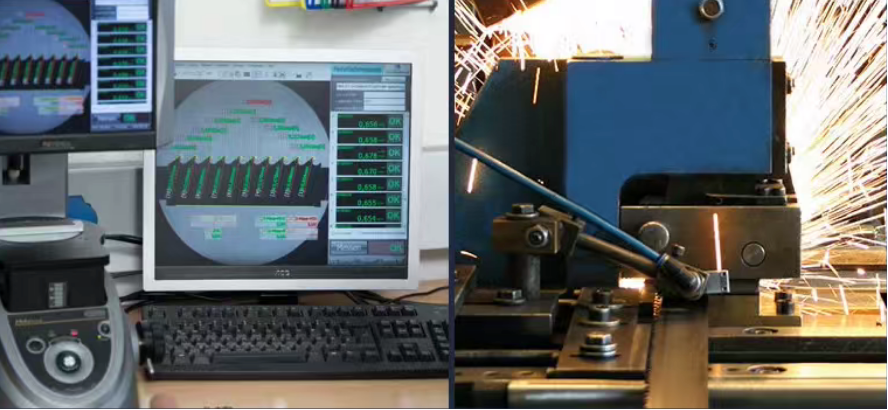
After checking the blade, the machine itself is the next logical step. A perfect blade on a faulty or poorly set-up machine will still produce bad results. These problems can be a bit harder to spot than a worn blade, but they are just as important to fix. From my experience, these issues fall into two camps: human error and machine failure.
The Importance of Accurate Angles and Training
The simplest cause is often an incorrect angle setting. The operator might set the machine to 90 degrees, but if the machine's scale is off, the cut will be skewed. I remember a new hire who struggled with this for a week. His cuts were consistently off by one degree. We discovered the angle stop on his machine had a tiny bit of metal shaving stuck in it, preventing a true square cut. We cleaned it, and the problem vanished. This is why regular calibration is so important. You must trust your machine's settings. Good training also ensures that operators know how to set and verify these angles correctly for every single job.
Taming Machine Vibration and Failures
A band saw machine must be stable. Any vibration during the cut can cause the blade to jump and create a skewed or rough finish. Make sure the machine is on a solid, level foundation. Vibration can also be a sign of a deeper problem, like a failing motor or worn bearings. Another critical area is the blade guide system. If the guide rails or guide bearings are worn, they can't hold the blade straight under pressure. You should regularly inspect these parts for wear and replace them when needed. It's a small maintenance task that prevents a huge production headache.
| Machine Parameter | Recommended Action | Why It's Important |
|---|---|---|
| Cutting Speed | Set according to material type and thickness. | Too fast causes heat/warp; too slow causes rubbing. |
| Feed Rate | Adjust for a steady, but not forced, cut. | Pushing too hard can deflect the blade. |
| Coolant Flow | Ensure a constant, generous flow on the blade. | Prevents overheating and extends blade life. |
| Machine Stability | Check for any rocking or vibration during operation. | A stable machine is the base for a straight cut. |
Can the material itself make your band saw cut crookedly?
Your blade is sharp and your machine is perfect. Yet, the cuts are still skewed. The problem might be hiding inside the very material you are trying to cut.
Yes, unstable material is a frequent cause of skewed cuts. Internal stresses or uneven density within the workpiece can force the blade off its path, no matter how well your machine is set up.
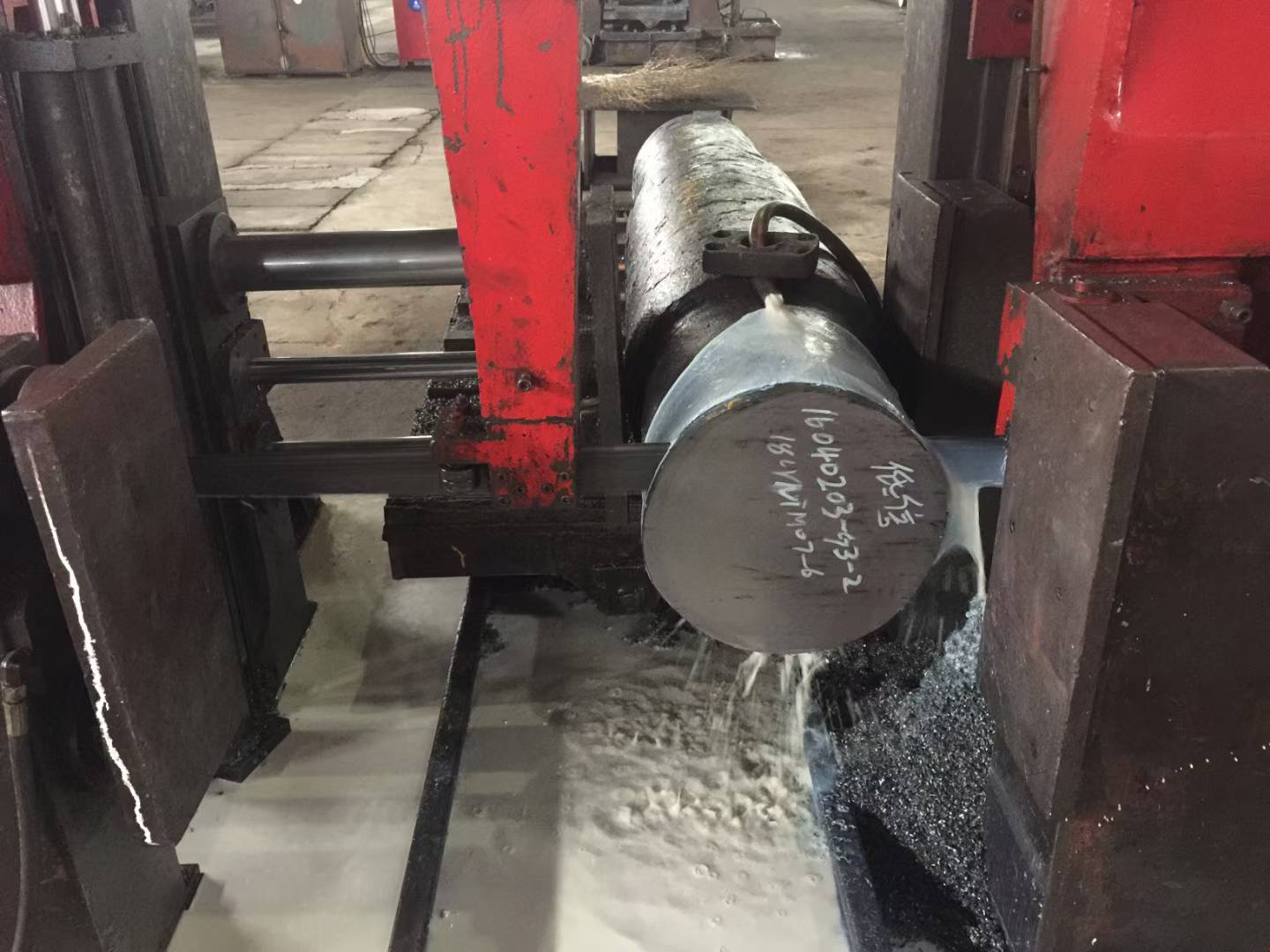
This is the cause that most people overlook. We tend to trust that the metal or wood we are cutting is uniform. But that is not always true. After you have confirmed your blade is good and your machine is perfectly tuned, it's time to investigate the workpiece. I've seen perfectly maintained saws produce terrible cuts, and it all came down to the material.
Identifying Internal Stress
Some materials, especially metals that have been cold-worked or improperly cooled, hold a lot of internal stress. The material is essentially pulling itself in different directions. As your band saw blade cuts into it, you are releasing that stress. This release can cause the material to pinch the blade or shift unexpectedly, forcing the cut to go crooked. I once had a batch of large steel bars that were impossible to cut straight. We later found out they were from a new supplier and hadn't been properly stress-relieved. We had to switch back to our trusted source. When possible, source materials that are certified as stress-relieved, or perform a stress-relieving heat treatment before you do any precision cutting.
The Challenge of Uneven Density
A workpiece might also have areas of different hardness or density. This is common in natural materials like wood with knots, but it can also happen in metals with inclusions or poor casting. When your blade moves from a softer area to a much harder one, it can be deflected. The blade will naturally try to follow the path of least resistance, which can lead it away from a straight line. To combat this, you need to use a slower, more controlled feed rate. This gives the blade teeth time to bite into the harder sections instead of being pushed aside by them. Sourcing high-quality, uniform material from a reliable supplier is the best long-term solution.
| Material Problem | How It Causes Skewed Cuts | Solution |
|---|---|---|
| Internal Stress | The material moves or pinches the blade as stress is released. | Source stress-relieved materials. Perform pre-treatment. |
| Uneven Density | The blade is deflected by hard spots or inclusions. | Use a slower feed rate. Source high-quality, uniform materials. |
Conclusion
Fixing skewed cuts involves checking your blade, your machine, and your material. Consistent maintenance and proper technique will give you accurate cuts and boost your overall efficiency and profitability.