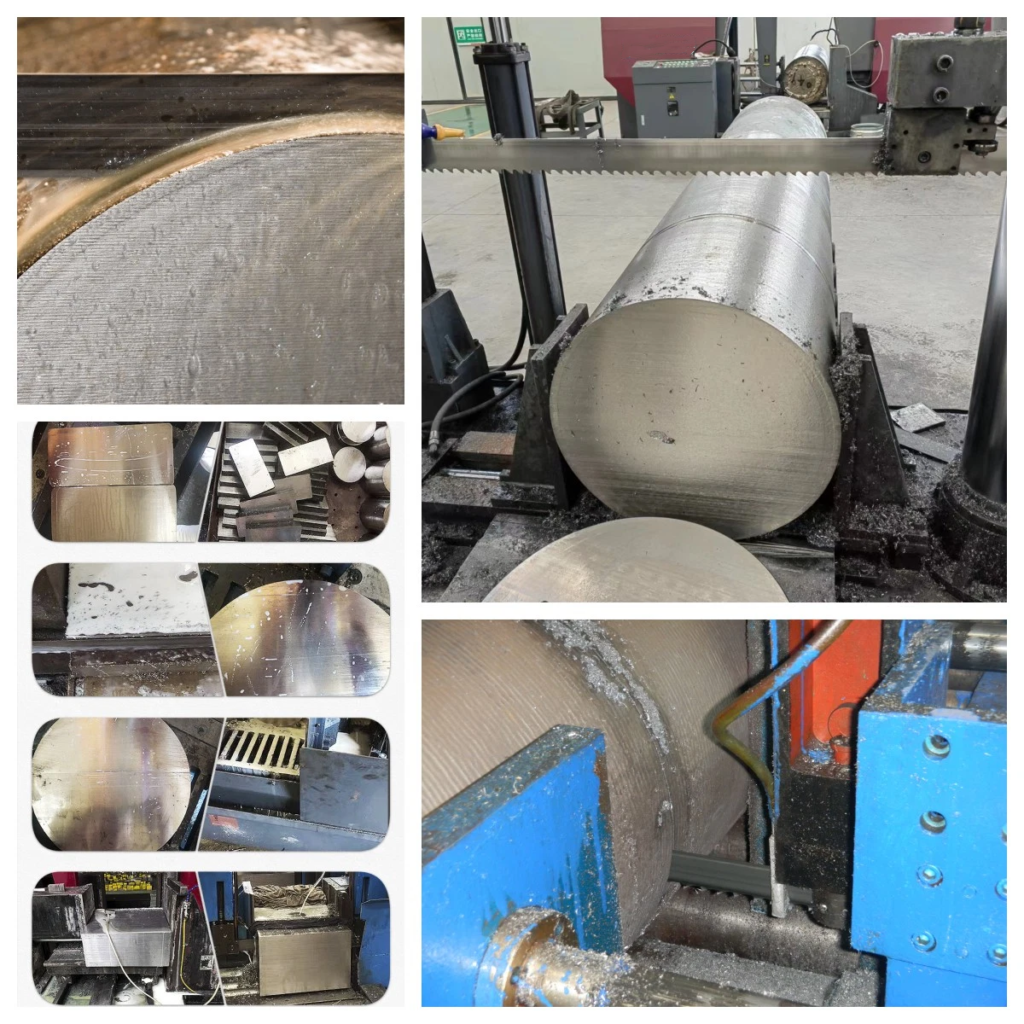
Are your band saw blade costs eating into your profits? It's a constant struggle. You need quality cuts, but the expense of replacing blades adds up fast, hurting your bottom line.
To save money on band saw blades, you must focus on extending their life and maximizing performance. This involves choosing the right blade for your material, optimizing machine settings like speed and feed, performing regular maintenance, and training your operators on proper usage. It's a total approach.
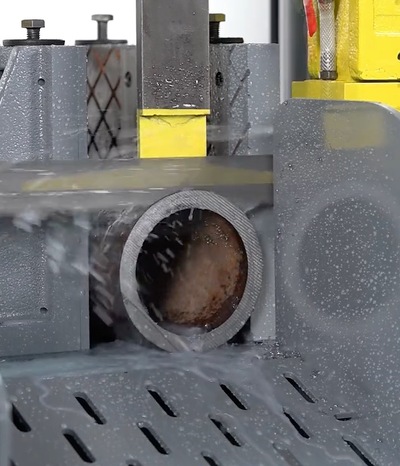
I've spent years in this industry, and I've seen firsthand how small changes can lead to huge savings. Many people think the key is to find the cheapest blade, but that's rarely the case. The real secret is in making the blades you buy last as long as possible while doing their job effectively. It’s about getting the most value out of every single blade. Let's dig into the specific strategies that will make a real difference in your budget.
How can choosing the right blade save you money?
You bought a new blade, but it dulled almost instantly. This is a common problem. It wastes your time, ruins materials, and forces you to spend money on yet another replacement.
Choosing the right blade saves money by maximizing both cutting efficiency and blade lifespan. A blade perfectly matched to your material in terms of tooth count, width, and composition will cut better, last longer, and reduce the frequency of replacements, directly lowering your overall operational costs.
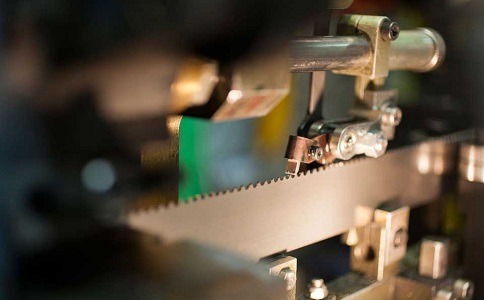
When I visit factories, the first thing I look at is whether the blade matches the job. It's the foundation of all cost savings. Using the wrong blade is like using a screwdriver to hammer a nail. It might work for a bit, but you'll ruin the tool and do a bad job. Let's break down the key factors you need to consider.
Blade Material Matters
The material of your blade determines its lifespan and the materials it can cut effectively. Picking the right one is your first big decision. A cheap blade on a tough material is a waste of money.
| Blade Material | Best For | Why It Saves Money |
|---|---|---|
| Carbon Steel | Softwoods, plastics, non-ferrous metals | Low initial purchase price for easy cutting jobs. |
| Bi-Metal | General purpose, mild to stainless steel | A durable workhorse. It lasts much longer than carbon steel, reducing downtime. |
| Carbide-Tipped | Hardened steels, abrasive materials, alloys | Highest initial cost but the longest life. It cuts the toughest materials for longer. |
Tooth Count and Shape
The number of teeth per inch (TPI) is also critical. A good rule of thumb is to have at least three, but no more than 24, teeth in the material at all times. Too few teeth will cause heavy vibrations and can strip the teeth right off. Too many teeth will clog with chips, leading to a slow, crooked cut and a ruined blade.
Does optimizing your cutting process really lower costs?
Your team is pushing the machines hard to meet production deadlines. But this approach often leads to blades breaking, going dull too quickly, and producing cuts that need to be reworked.
Yes, optimizing your cutting process directly lowers your costs. By setting the correct cutting speed and feed rate, and by using proper lubrication, you drastically reduce wear and tear on the blade. This prevents premature failure and extends the blade's life, meaning you buy fewer blades.
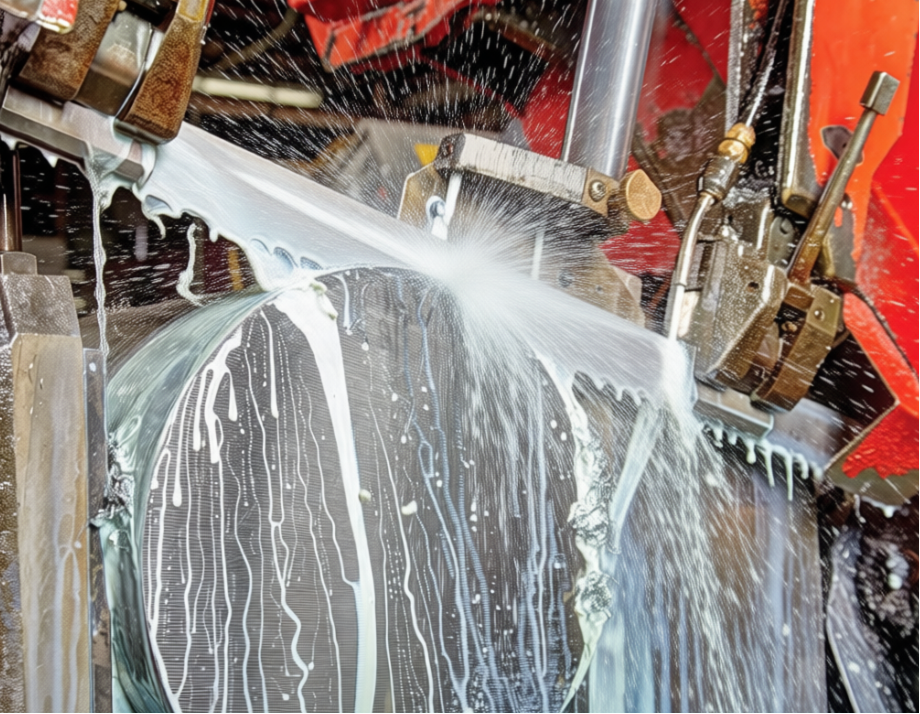
I've seen operators treat the feed pressure like a gas pedal, thinking faster is always better. But a band saw blade is a precision tool, not a blunt instrument. Pushing it too hard is the quickest way to destroy it. The goal is to make the blade's teeth do the work efficiently, not to force the blade through the material. A little bit of setup and control makes a huge difference.
Finding the Sweet Spot: Speed and Feed
Every material has an ideal cutting speed (how fast the blade moves) and feed rate (how fast the material is pushed into the blade). These two work together.
- Too fast a speed with too little feed pressure will cause the teeth to rub instead of cut. This creates a lot of heat, which dulls the teeth very quickly.
- Too high a feed pressure can overwhelm the teeth and the gullets (the space between teeth), causing teeth to chip or strip off entirely.
We provide charts to help you find the right starting point for different materials. A few test cuts will help you dial in the perfect parameters for your specific job. A chip that looks like a small, curled "c" is usually a good sign that your settings are correct.
Coolant is Not Optional
Heat is the number one enemy of a saw blade. It softens the metal and destroys the hardness of the teeth. Coolant, or cutting fluid, does three things: it lubricates the cut, it cools the blade and the material, and it washes away chips. Using the right coolant at the right concentration is one of the easiest ways to double your blade life. Skimping on coolant to save a few dollars will cost you hundreds in replacement blades.
Why is blade maintenance a secret to saving money?
A blade starts cutting poorly, so you just toss it and grab a new one. This feels like the fastest solution in the moment. But the cost of all those "disposable" blades adds up.
Blade maintenance saves you money because it extends the life of your current blades, pushing back the need for new purchases. Simple acts like regular cleaning, inspection, and even repairing minor damage can bring a blade back to full cutting performance for a fraction of a new blade's cost.
Thinking of a blade as a tool to be maintained, not just used up, is a major mental shift. In my experience, the workshops that have the lowest blade costs are the ones with the best maintenance routines. They treat every blade like a valuable asset. This doesn't have to be a complicated process. A few simple, consistent habits are all it takes to see a big return on your investment.
Clean and Inspect After Use
Chips and resin can get packed into the blade's gullets and on its sides. This buildup causes friction and heat, which leads to poor performance and a shorter life. Most band saw machines have a wire brush to help clean the blade during operation, but you should check it regularly. Make it a habit to inspect blades when you change them. Look for:
- Dull or chipped teeth
- Small stress cracks along the back edge
- Any signs of buildup
Catching these problems early allows you to address them before the blade fails completely.
The Value of Repair and Reuse
For many businesses, a broken blade means a trip to the scrap bin. But it doesn't have to be that way. If a blade snaps, it can often be welded back together. The new, slightly shorter blade is perfectly usable. This one technique can salvage blades that would otherwise be a total loss. For more expensive carbide-tipped blades, you can even replace individual broken teeth. It takes some skill, but the cost of repairing a tooth is tiny compared to the cost of a whole new blade. This turns what was once waste into a productive asset.
How does smart management cut your blade spending?
You suddenly run out of the right blade for a big job. Or you discover your team is using expensive blades on simple tasks. These issues cause downtime and waste a lot of money.
Smart management cuts blade spending by controlling the entire lifecycle of your blades. It ensures you buy the right blades from a quality supplier, your team is trained to use them correctly to minimize damage, and you track performance to make better decisions in the future.
The best savings come from a planned, systematic approach. It's about moving away from reactive decisions, like running to the store when a blade breaks, and toward a proactive strategy. You need to think about who you buy from, how your team uses the tools, and how you track your results. I’ve helped many companies set up simple systems for this, and the impact on their budget is always significant.
Choose a Partner, Not Just a Price
When you buy a blade, you are not just buying a piece of steel. You are buying a result: a clean, straight cut. The cheapest blade might not deliver that result reliably. A good supplier is a partner. They provide:
- Consistent Quality: Blades that perform the same way every time.
- Technical Support: Help with choosing the right blade and troubleshooting problems.
- Reliable Service: They have the blades you need in stock when you need them. A slightly higher price from a great supplier is often cheaper in the long run than a "bargain" blade that fails early and comes with zero support.
Training is Your Best Investment
You can buy the best blade in the world, but an untrained operator can ruin it in five minutes. Training your team on the fundamentals is crucial. They need to know how to set blade tension correctly, how to choose the right speed and feed, how to spot a dull blade, and why maintenance matters. Investing a few hours in training will pay for itself over and over again by reducing human error, which is a leading cause of blade damage.
Track What You Use
You can't manage what you don't measure. Create a simple log for your blades. Track when a blade is put into service, what jobs it's used on, and how long it lasts. Over time, this data will tell you which brands and blade types perform best in your shop. It will also help you spot problems, like if blades on a certain machine are failing too quickly. This turns your purchasing decisions from guesswork into a data-driven strategy.
Conclusion
Saving money on band saw blades is not about buying the cheapest option. It’s a total approach that combines smart purchasing with proper use, regular maintenance, and good management practices.