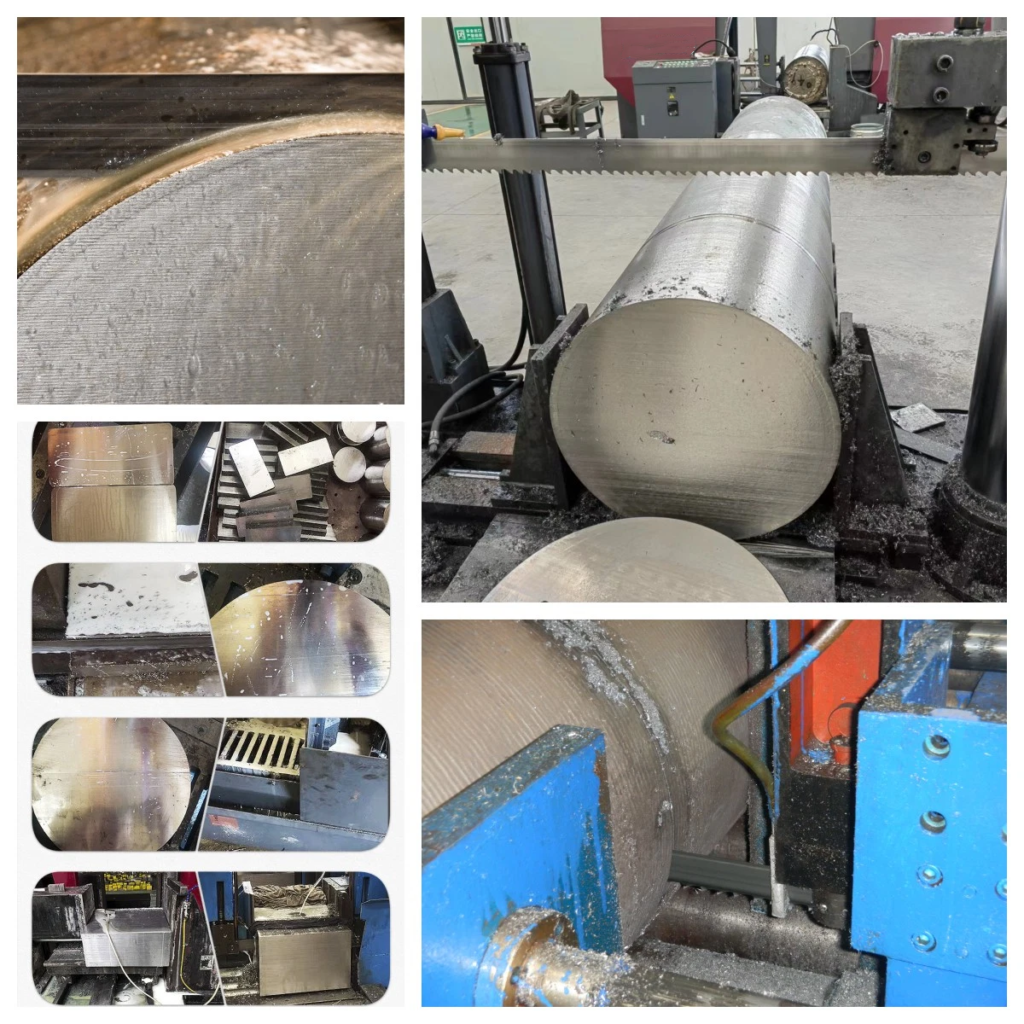
Struggling with blades that wear out too fast or cut too slow? This downtime costs you money and slows down production, making it hard to meet your deadlines.
The M51 band saw blade outperforms the M42 because of its advanced material, optimized tooth shape, reinforced cutting tips, and superior heat treatment. These factors create a blade with exceptional hardness, heat resistance, and a much longer cutting life, especially on tough materials.
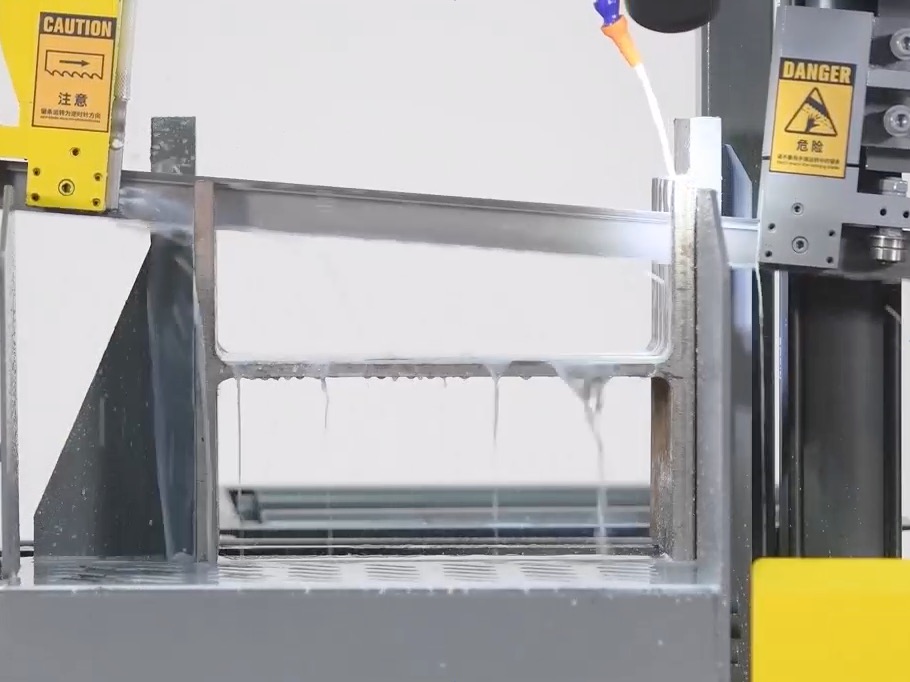
That's the short answer. But if you're like me, you want to know the why behind the performance. I've spent years in the workshop, and I've learned that understanding your tools is the key to getting the best results. The difference between an M42 and an M51 isn't just a number, it's a completely different level of engineering. Let's break down each of these advantages one by one. You will see exactly how the M51 earns its top-tier reputation in demanding workshops.
How does the material make the M51 blade tougher than the M42?
Choosing the wrong blade material leads to frequent changes and poor cuts. This frustration with underperforming tools is a common problem. But what if the steel itself could solve this?
The M51's high-speed steel contains more cobalt and tungsten than the M42. This superior alloy gives it much higher "hot hardness." It stays sharp and strong even at the extreme temperatures generated when cutting tough materials.
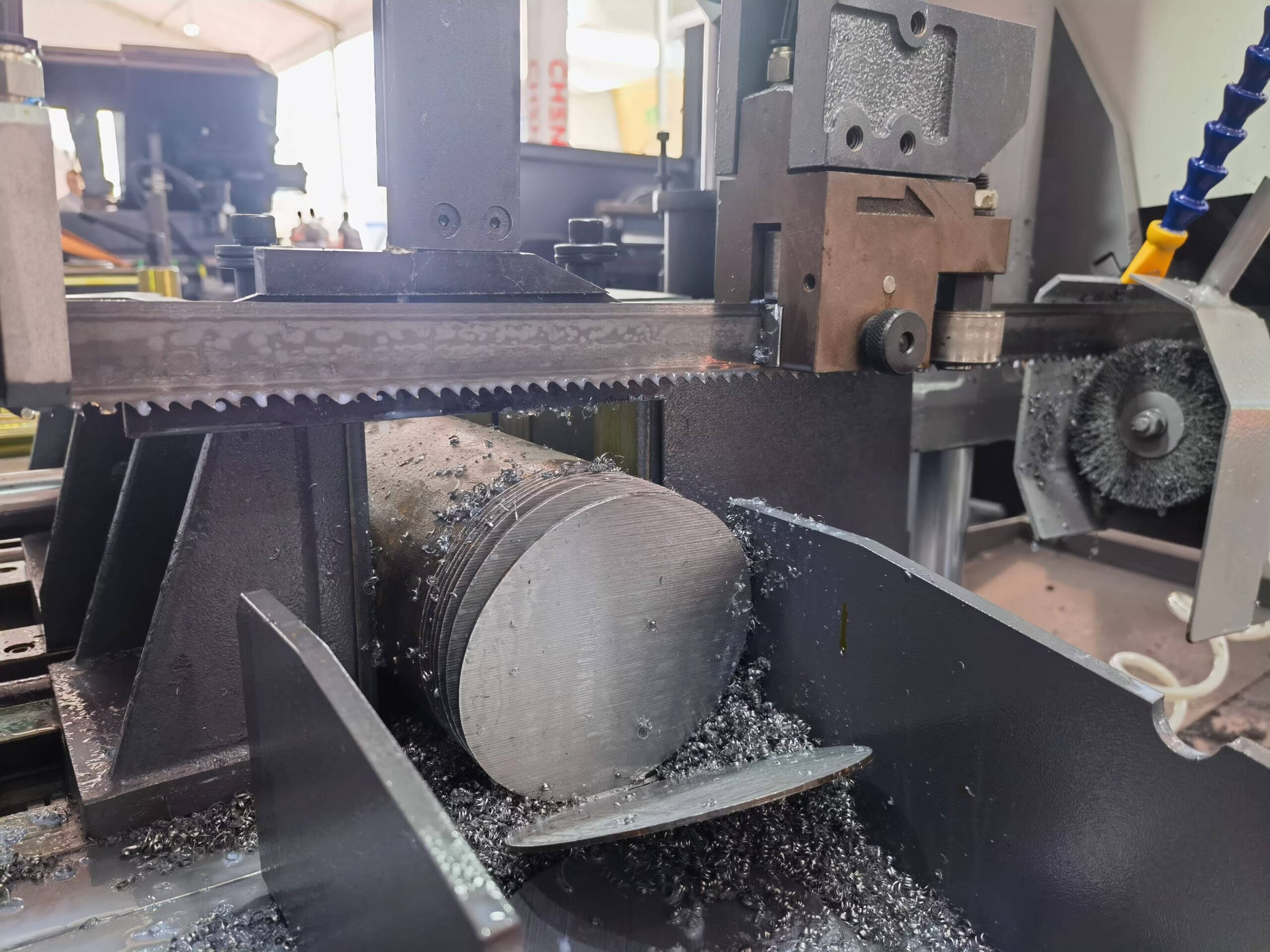
The foundation of any great blade is the steel it's made from. Both M42 and M51 are types of High-Speed Steel (HSS), but they are not created equal. The key difference is in the alloy composition. Think of it like a recipe. M42 has a good recipe, but M51 has an even better one, designed for heavy-duty cooking. I remember one specific job cutting hardened steel shafts. Our M42 blades were burning out in just a couple of hours. The heat was just too much for them. When we finally switched to an M51, a single blade lasted the entire day. The only real change was the material's ability to handle that intense heat. This ability is called "hot hardness," and it's where the M51 truly shines. The extra cobalt in its makeup prevents the steel from softening when it gets hot, which means the cutting edge stays sharp for much, much longer.
M42 vs. M51: A Quick Material Comparison
| Element | M42 High-Speed Steel | M51 High-Speed Steel | Benefit of Higher Amount in M51 |
|---|---|---|---|
| Cobalt (Co) | Around 8% | Around 10% | Increases hot hardness and heat resistance |
| Tungsten (W) | Around 1.5% | Around 10% | Improves wear resistance and toughness |
| Molybdenum (Mo) | Around 9.5% | Around 3.75% | Provides toughness and cutting ability |
As you can see, the M51 has a big advantage in the elements that fight heat and wear. This is why it's the go-to blade for cutting difficult materials like stainless steel, Inconel, and other tough alloys.
Why is the tooth geometry of an M51 blade more efficient?
Are your cuts slow and producing a lot of heat? The blade's tooth shape might be the problem. A poor design creates drag and inefficiency, slowing down your entire operation.
M51 blades feature an optimized tooth geometry with a more aggressive cutting angle. This design allows each tooth to slice material more effectively. This leads to faster feed rates, smoother finishes, and better chip evacuation.
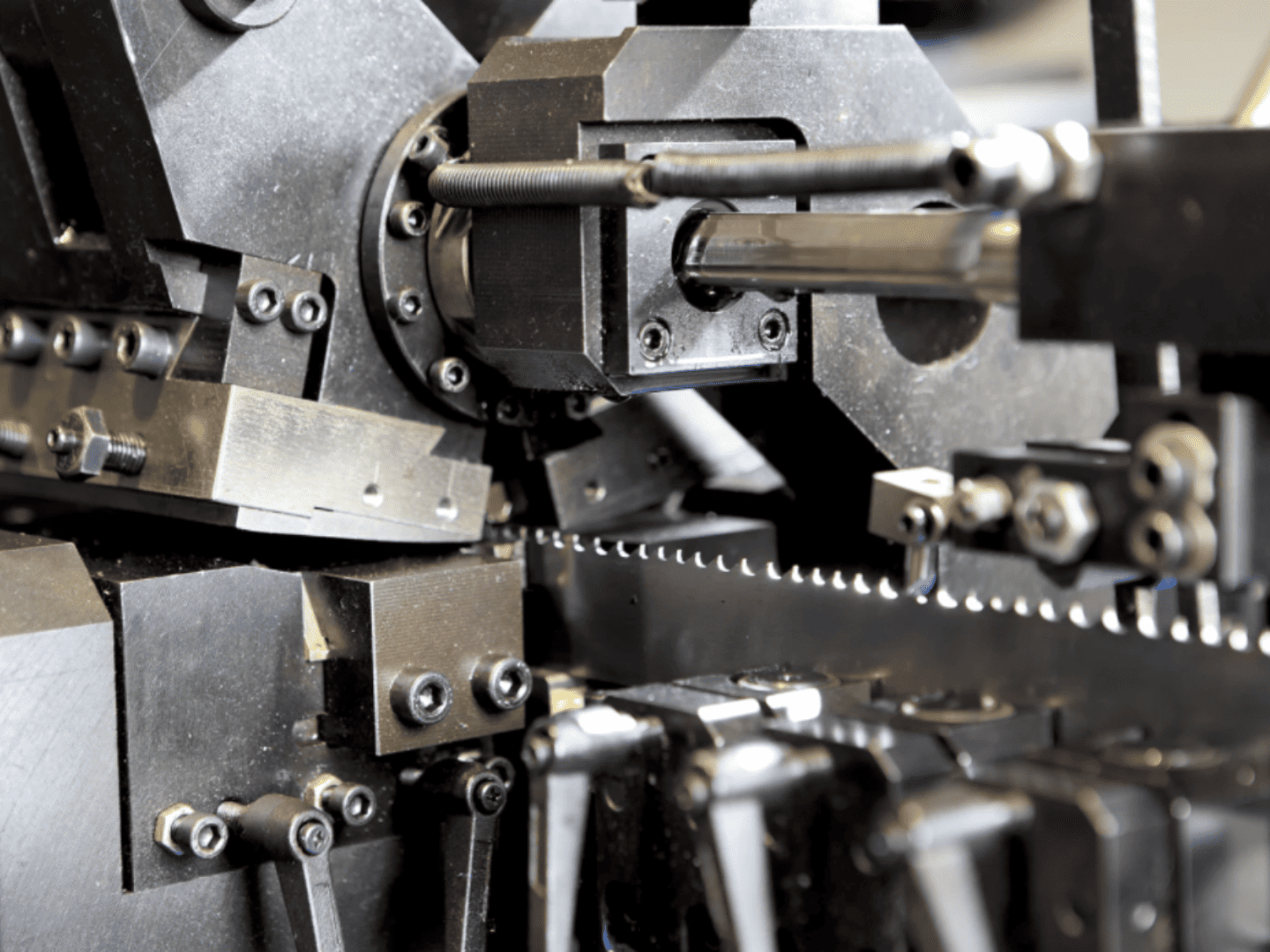
Beyond the material, the shape of the teeth plays a huge role in cutting performance. It's not just about being sharp; it's about being smart. M51 blades are engineered with a tooth geometry that is built for speed and efficiency. The cutting angle, often called the rake angle, is typically more positive or aggressive on an M51 blade. This means it bites into the material more eagerly, peeling away a chip instead of scraping it. I learned this lesson the hard way when we were cutting thick blocks of aluminum. With the M42 blades, the chips were long and stringy, and they would often get clogged in the cut. This generated a lot of heat and left a rough finish. When we switched to an M51 with its aggressive tooth design, the chips became small, tight curls that cleared out of the cut easily. The machine ran faster, the cut was cooler, and the final surface was much smoother.
Key Tooth Geometry Differences
| Feature | Standard M42 Blade | Optimized M51 Blade | Impact on Performance |
|---|---|---|---|
| Rake Angle | Standard (often around 0°) | More Positive (e.g., 10°) | Faster, more aggressive cutting action. |
| Tooth Set | Standard | Often a variable or unique set | Reduces vibration and noise, improves finish. |
| Gullet Depth | Standard | Deeper and more rounded | Allows for better chip removal, preventing clogging. |
This smarter design means the blade does more of the work. You don't have to push the machine as hard, which reduces wear and tear on both the blade and your saw. It's a clear win for productivity.
What makes the M51's tooth tips last so much longer?
Do your blade teeth dull or chip easily, especially when you are cutting hard materials? This forces you to slow down your cutting speed or, worse, stop everything to replace the blade.
Many M51 blades have tooth tips made of a super-hard material like a tungsten-cobalt alloy. This tip is much more wear-resistant than the HSS body of the tooth. This reinforcement keeps the cutting edge sharp for a significantly longer time.
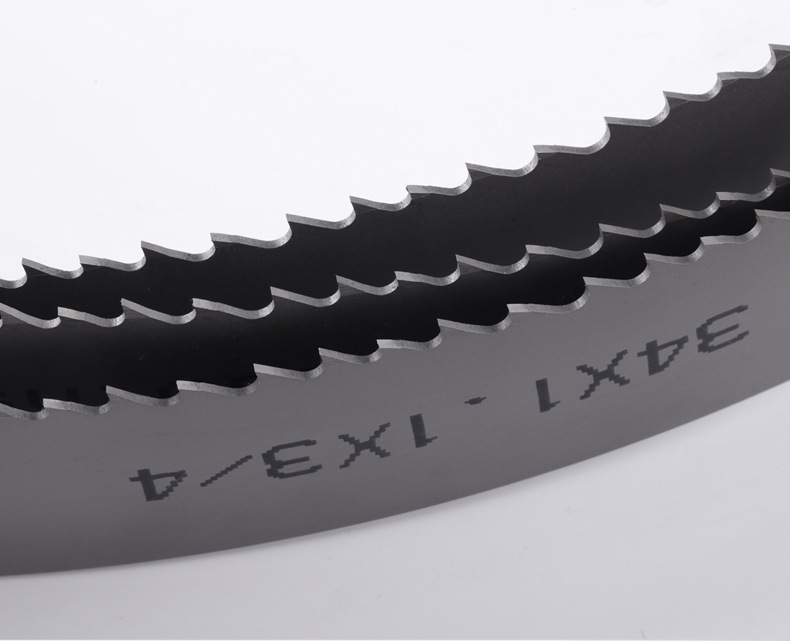
The very edge that does the cutting is the most critical part of the tooth. On a standard bi-metal blade like an M42, the entire tooth tip is made from HSS. This works well for general-purpose cutting. But for really tough or abrasive materials, you need something more. M51 blades often take this a step further by using a different, even harder material just for the cutting edge. This is often an extremely hard tungsten-cobalt alloy that is welded onto the HSS tooth. Think of it like putting a diamond tip on a drill bit. The main body provides the support, but the super-hard tip does the real work. I was skeptical about this at first because of the higher price. But we had a big order cutting a very abrasive cast iron. Our M42 blades were only lasting for about 30 cuts before they were too dull to use. We tried an M51 with these reinforced tips, and we got over 100 cuts from a single blade. The math was simple. The M51 saved us time and money, even though it cost more upfront.
The Advantage of a Reinforced Tip
- Extreme Hardness: The tips can handle materials that would instantly dull a standard HSS tooth.
- Superior Wear Resistance: The edge stays sharp cut after cut, providing consistent performance and a longer blade life.
- Reduced Friction: The special alloy often has a lower coefficient of friction, which helps reduce heat buildup during the cut.
This feature is what allows M51 blades to tackle the most demanding cutting applications in the industry. It's a perfect example of advanced engineering creating real-world value.
How does the heat treatment process improve the M51 blade?
Have you ever had a blade lose its tension or snap unexpectedly? The internal structure of the steel is often the cause. A better manufacturing process builds a stronger, more reliable foundation.
M51 blades undergo a more advanced and controlled heat treatment process. This includes specific quenching and tempering cycles, and sometimes surface coatings. This creates a tougher, more fatigue-resistant blade that supports the hard teeth and resists breaking.
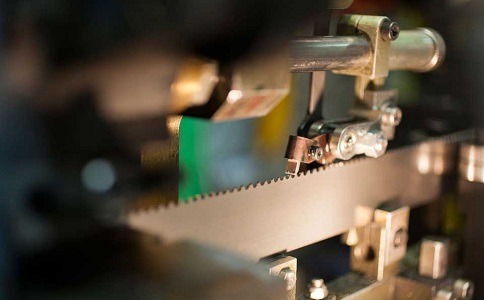
The final step in creating a high-performance blade is the heat treatment. This process is what locks in the hardness and toughness of the steel. While all blades are heat-treated, the process for M51 blades is far more precise and advanced. It is specifically designed to get the absolute maximum performance out of the superior steel alloy. This results in a blade that is not only hard but also tough. Hardness allows it to hold a sharp edge, but toughness, or fatigue resistance, is what keeps it from snapping. A band saw blade is constantly being bent and straightened as it goes around the wheels of the saw. This puts an incredible amount of stress on the blade's backing material. We once had a high-tension saw that was very tough on blades. We kept snapping M42 blades right down the middle. It wasn't the teeth that failed, but the back of the blade. The M51's superior heat treatment gave its backing the toughness needed to withstand that stress. The snapping stopped, and our production became much more reliable.
Heat Treatment and Its Results
| Process Stage | Standard M42 Treatment | Advanced M51 Treatment | Result |
|---|---|---|---|
| Quenching | Standard cycle | Multi-stage, precisely controlled | Creates a finer grain structure for higher strength. |
| Tempering | Standard cycle | Multiple, specific cycles | Relieves stress and increases toughness without losing hardness. |
| Surface Coating | Often uncoated | Sometimes coated (e.g., TiN) | Adds surface hardness and reduces friction further. |
This advanced manufacturing process ensures that every part of the blade, from the tooth tip to the backing, is perfectly prepared for high-performance cutting. It's the final piece of the puzzle that makes the M51 an elite cutting tool.
Conclusion
The M51 blade's superiority comes from a combination of better material, smarter tooth design, tougher tips, and an advanced manufacturing process. It's built for the toughest cutting jobs.