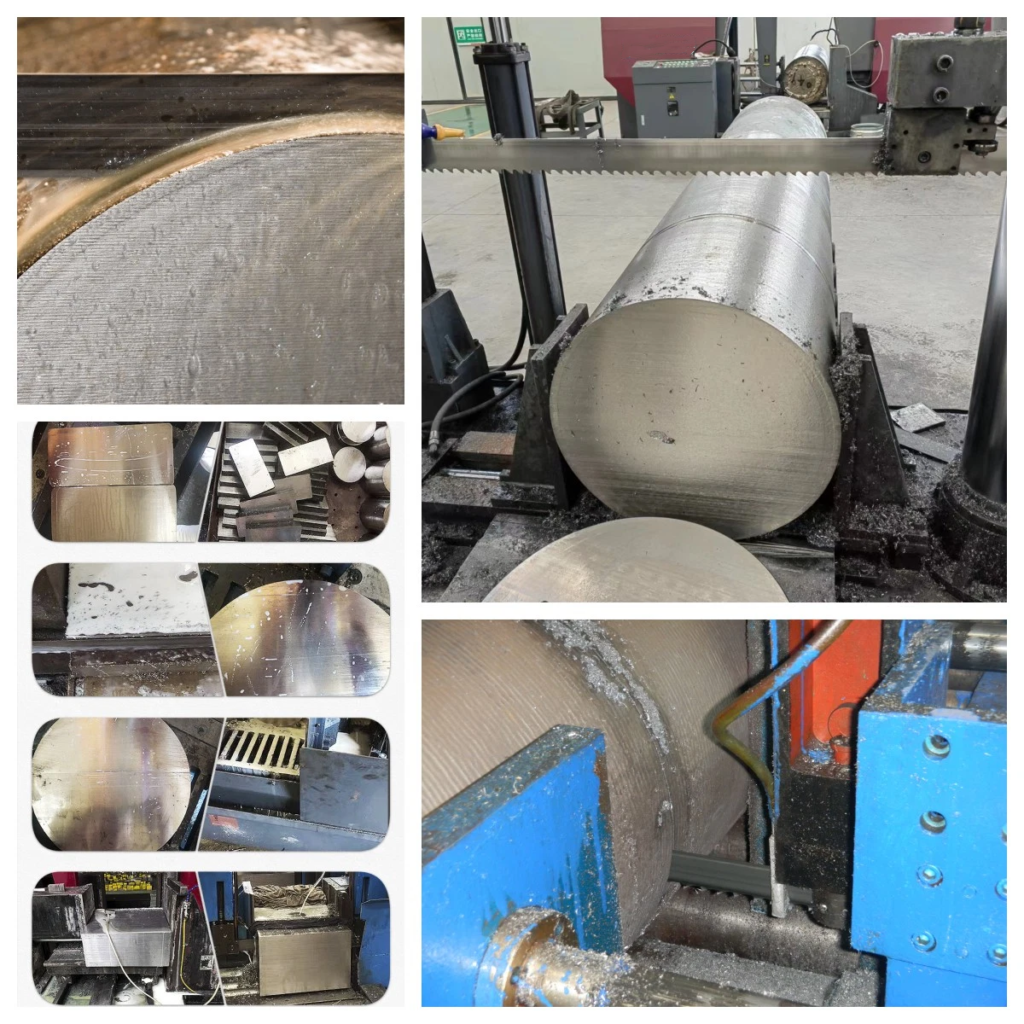
Your band saw blades wear out too quickly, increasing costs and downtime. This hurts your production schedule and eats into your profits, forcing you to constantly replace blades.
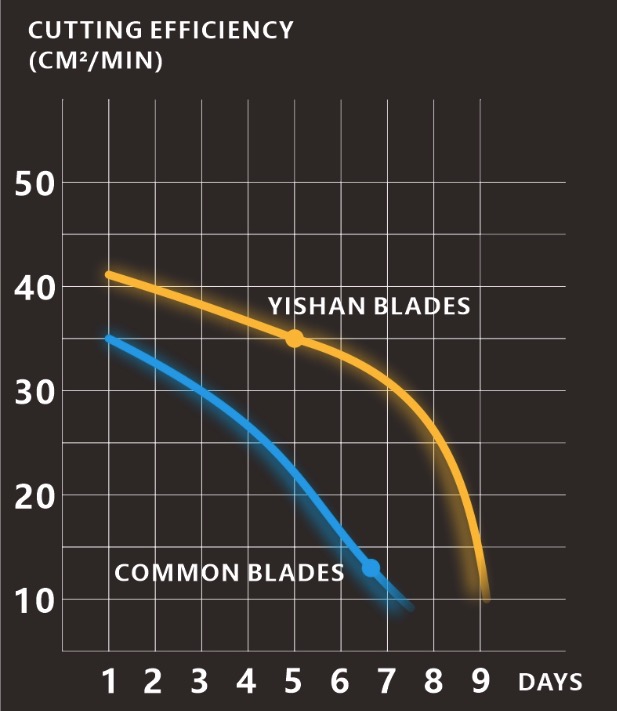
To extend the life of your bimetal band saw blades, you must focus on five key areas. These are using high-quality blades, matching the blade to your workpiece material, controlling your sawing conditions, using the correct cutting fluid, and performing regular maintenance. These steps will improve your efficiency and reduce costs.
I've been in this business for a long time, and I have seen many factories struggle with blade life. It is a common problem, but the solutions are often simpler than you might think. Let's break down each of these factors one by one. This will help you start saving money and time today. I want you to have the tools to make your operation better.
Does the Quality of the Blade Material Really Matter That Much?
You bought cheaper blades to save a little money, but now they are breaking all the time. It feels like you are not actually saving anything at all.
Yes, the blade material is very important. High-quality bimetal blades use superior steel for the backing and high-speed steel for the teeth. This combination provides the flexibility to prevent breaks and the hardness to stay sharp longer. This directly extends the blade's service life.
Let's dive deeper into what makes a quality blade. A bimetal blade has two main parts. The first part is the backer, which is made of flexible spring steel. The second part is the tooth edge, which is made of hard high-speed steel (HSS). The two parts are welded together. This design is smart because each part does a different job. The flexible backer has to bend and straighten thousands of times as it goes around the wheels of the saw. It needs to be tough and resist fatigue. The teeth, on the other hand, do the cutting. They need to be very hard and resist heat, so they don't get dull quickly. I remember a client who switched to our M42 cobalt blades after using a generic brand. They were cutting tough alloy steel. Their blade life did not just improve; it nearly doubled. This is a clear example of how buying the right quality material pays for itself.
| HSS Tooth Material | Primary Benefit | Best For Cutting |
|---|---|---|
| M42 (Cobalt) | High heat and wear resistance | Stainless steels, alloys, tool steels |
| M51 | Highest heat and wear resistance | Very hard materials, nickel-based alloys |
| Matrix II | Good shock resistance | Structural steel, interrupted cuts |
How Does Your Workpiece Affect Blade Selection?
You use the same blade for every job, but your cuts are getting sloppy on harder metals. This creates waste and rework, which slows down your entire operation.
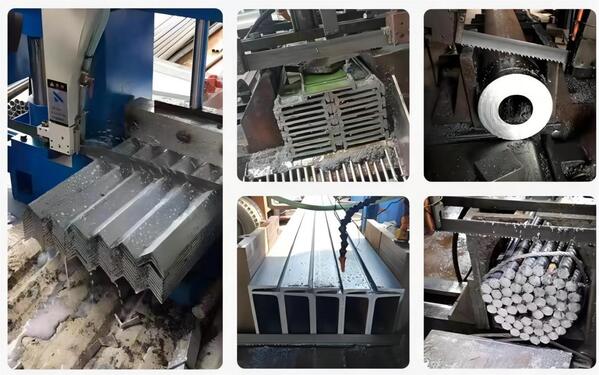
The material you are cutting is a huge factor in blade life. Harder materials like stainless steel or tool steel require blades with harder teeth and a different tooth count. Using the wrong blade for the job will wear it out extremely fast and give you poor cuts.
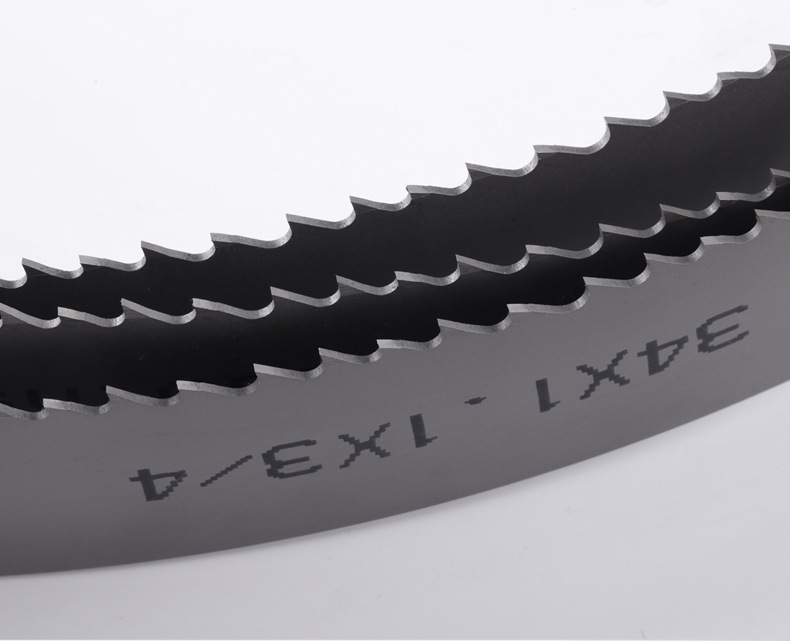
Choosing the right blade for your material is not complicated, but it is important. The main thing to think about is the hardness and thickness of the material. For this, you need to understand Teeth Per Inch, or TPI. TPI is just the number of teeth in one inch of the blade. A blade with a low TPI (like 4-6) has big teeth with a lot of space between them. This is good for cutting thick, soft materials like aluminum because it clears chips away easily. A blade with a high TPI (like 10-14) has small teeth that are close together. This is better for cutting thin or very hard materials like stainless steel. The small teeth take smaller bites, which creates less stress on each tooth and gives a smoother finish. A new factory manager called me once. He was frustrated that his blades were "dull after just a few cuts" on some stainless steel tubes. I asked about his blade, and he was using a 6 TPI blade meant for mild steel. We switched him to a 10/14 variable TPI blade, and the problem went away.
| Material Type | Recommended TPI Range | Key Consideration |
|---|---|---|
| Mild Steel Bars | 6-10 TPI | General purpose, easy to cut. |
| Aluminum | 4-8 TPI | Gummy material, needs good chip clearance. |
| Stainless Steel | 10-14 TPI | Work hardens, needs sharp, durable teeth. |
| Thin-walled Tube | 14-18 TPI | Needs at least 3 teeth in the cut at all times. |
Are Your Sawing Conditions Damaging Your Blades?
Your saw is running, but are you sure it is running correctly? Incorrect speeds and feeds can silently destroy your blades, costing you a fortune in replacements you do not need.
Yes, your sawing conditions are critical. Things like the cutting speed, the feed rate, and even the workshop temperature can greatly impact blade life. Running a saw too fast can overheat and dull the teeth. Incorrect feed pressure can cause teeth to strip or wear out too soon.
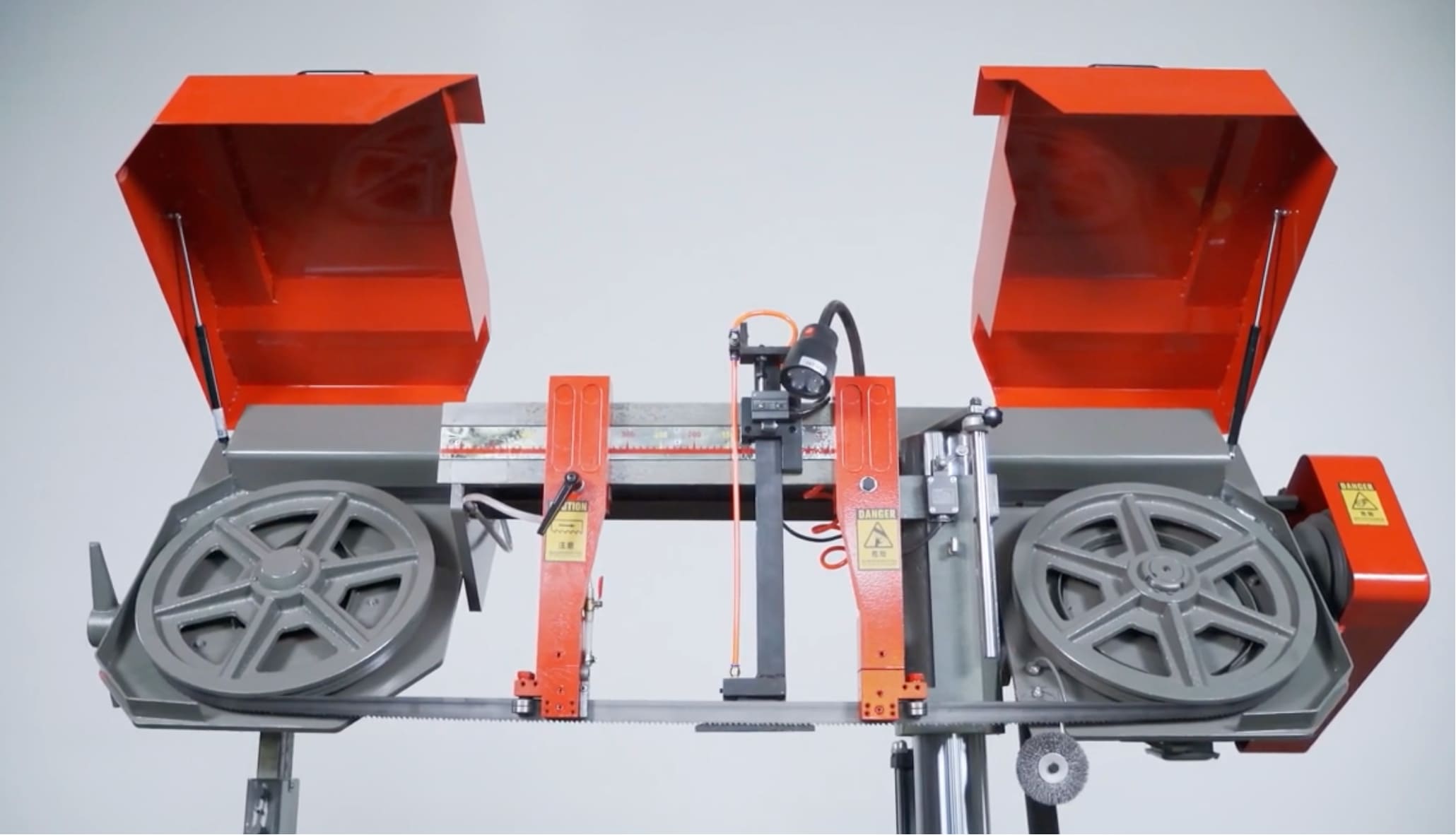
Let's look at the two most important settings on your saw: speed and feed. The band speed is how fast the blade travels, measured in feet per minute or meters per minute. Every material has a recommended cutting speed. If you cut too fast, you create too much heat. This heat softens the blade's teeth, making them dull. If you cut too slow, you are just wasting time. The feed rate is how hard you push the blade into the material. This is also very important. If you push too hard, you can break the teeth right off the blade. If you do not push hard enough, the teeth will rub against the material instead of cutting it. This rubbing action makes the material harder (called work hardening) and glazes the blade, making it dull. I once visited a workshop where the operator was proud of how fast he could push a cut. I watched the blade scream and smoke. We timed his cut, then slowed the speed and feed to the recommended rate. The cut took 15 seconds longer, but the blade stayed cool and the cut was cleaner. I showed him that his "fast" method was costing him a blade a day, while the "slower" method would make that same blade last a week.
Is Your Cutting Fluid Helping or Hurting Your Blade Life?
You see cutting fluid as just another expense. You might be tempted to use less of it, or use a cheaper type to save money. This is a very costly mistake.
The right cutting fluid is essential for getting the most life out of your blade. It does two vital jobs: cooling the blade and workpiece, and lubricating the cut to reduce friction. Using the wrong fluid, or an incorrect mixture, leads to overheating and a shorter blade life.
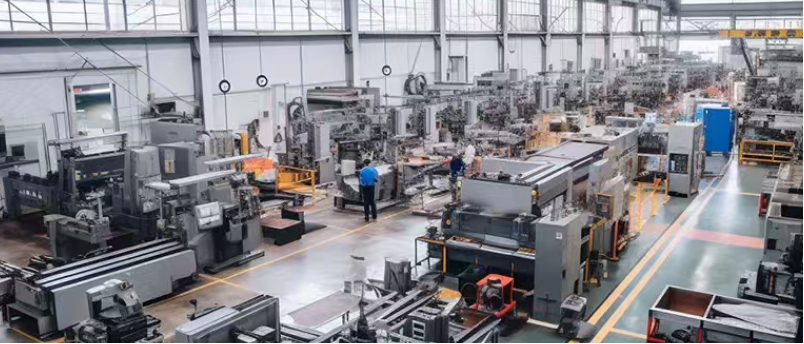
Think of cutting fluid, or coolant, as a critical part of the cutting process. Its first job is cooling. Cutting metal creates a lot of heat, and heat is the enemy of a sharp blade. Coolant carries that heat away, protecting the hardness of the blade's teeth. Its second job is lubrication. A well-lubricated cut requires less energy, reduces friction, and helps wash away the small metal chips from the cutting area. If those chips are not cleared, they can get stuck and damage the blade or the workpiece. It is also very important to mix the fluid correctly. Most coolants are concentrates that you mix with water. If your mix is too lean (too much water), you will get poor lubrication and your machine might rust. If your mix is too rich (too much concentrate), you are just wasting money and it can be messy. You should use a refractometer to check your coolant concentration every week to make sure it is correct. A little bit of care here makes a big difference in how long your blades last.
What Does Proper Blade Maintenance Actually Involve?
You install a new blade and just forget about it until it snaps or stops cutting. This "set it and forget it" way of thinking is a fast path to poor performance and high costs.
Proper maintenance is not just for the saw machine; it is for the blade too. This includes a correct break-in procedure for new blades, regularly cleaning the blade, and checking for proper band tension. These simple steps prevent early failure and save you money.
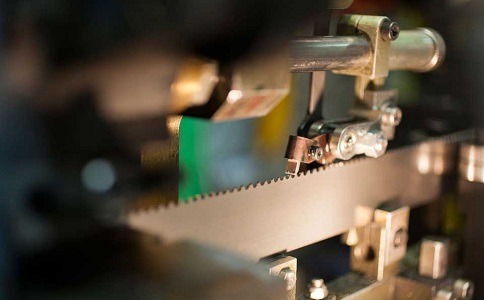
Good maintenance starts the moment you put on a new blade. You must perform a break-in procedure. This is the most important and most often skipped step. A new blade has very sharp, fragile teeth. For the first 5-10 minutes of cutting, you need to reduce your feed rate by about half, but keep the band speed normal. This process gently hones the edges of the teeth, making them much more durable for their working life. If you skip this, the sharp tips can chip off immediately, and the blade will never perform as it should. Next, check the wire brush on your saw. Its job is to clean the chips out from between the teeth. If this brush is worn out or not touching the blade correctly, chips will be carried back into the cut, damaging new teeth. Finally, check the blade tension. A blade that is too loose will vibrate and make crooked cuts. A blade that is too tight puts too much stress on the blade and the saw's bearings, leading to breaks. Using a simple tension gauge to set it correctly is a fast and easy way to prevent big problems.
Conclusion
Extending your blade life is not about one magic trick. It is about a system. By using quality materials, correct blade selection, controlled conditions, proper fluid, and good maintenance, you will see a big improvement.