Your new band saw blades have arrived, but storing them wrong can ruin them. This mistake costs money and delays your work. Proper storage is simple and protects your investment.
To store large quantities of band saw blades, keep them in a dry, ventilated area with a stable temperature. You should hang the blades vertically on racks or lay them flat on shelves. This prevents bending and protects the teeth, extending their life and ensuring top performance.

You now know the basics of storing your blades correctly. But the small details are what really protect your tools and your money. Let's look closer at how to create the perfect storage setup to keep your blades in top condition for years.
What is the best environment for storing band saw blades?
You might think any dry corner in your factory is good enough. But hidden dangers like dust, chemical fumes, and big temperature changes can cause rust and damage your blades.
The best environment is a dry, well-ventilated room with a stable temperature. You must keep blades away from direct sunlight, moisture, and corrosive fumes. This stops rust and damage, so your blades are always ready to cut perfectly when you need them.
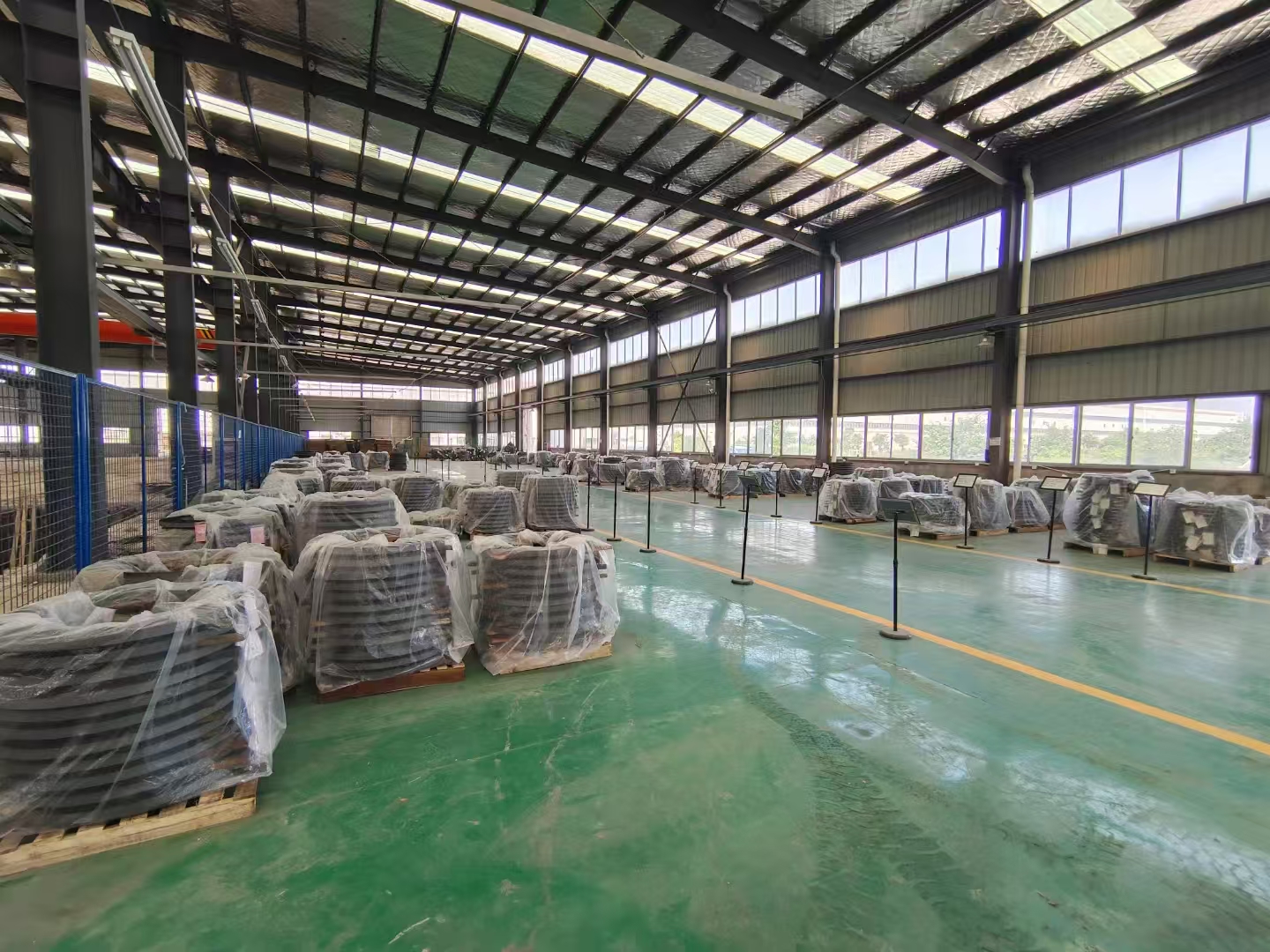
Choosing the right spot is more than just keeping blades out of the rain. It is about controlling the small things that can cause big problems over time. I have seen perfectly good blades ruined because of a poor storage environment. Let's break down what you need to control.
Key Environmental Factors
A good environment protects the blade's steel and the sharpness of its teeth. Here are the most important things to watch.
| Factor | Why It Matters | What To Do |
|---|---|---|
| Humidity | This is the biggest enemy. Moisture in the air causes rust, which dulls teeth and weakens the blade body. | Keep the area as dry as possible. Use a dehumidifier if you are in a humid climate. Keep blades in their original packaging until use. |
| Temperature | Big swings in temperature make the metal expand and contract. This can create tiny, invisible stresses that lead to cracks later. | Choose an insulated room away from outside doors or heaters. A stable, cool temperature is ideal. |
| Contaminants | Dust, chemical fumes, and dirt can settle on the blades. Dust attracts moisture, and chemicals can cause corrosion. | Store blades far away from grinding, welding, or chemical storage areas. Keep the storage room clean. |
| Sunlight | Direct UV light can degrade any protective oils on the blade and contribute to temperature fluctuations1. | A room without windows is best. If there are windows, cover them or store blades in opaque packaging. |
I once visited a customer's factory. They stored a large order of blades near their chemical treatment area. The air seemed fine, but the invisible fumes caused the blades to rust in just a few weeks. It was an expensive lesson for them. Your storage area should be treated like a clean room, not just a closet.
How can you physically store the blades to prevent damage?
Piling your coiled blades on the floor seems easy and quick. But the weight from the blades on top can bend the ones at the bottom and chip their teeth, making them useless.
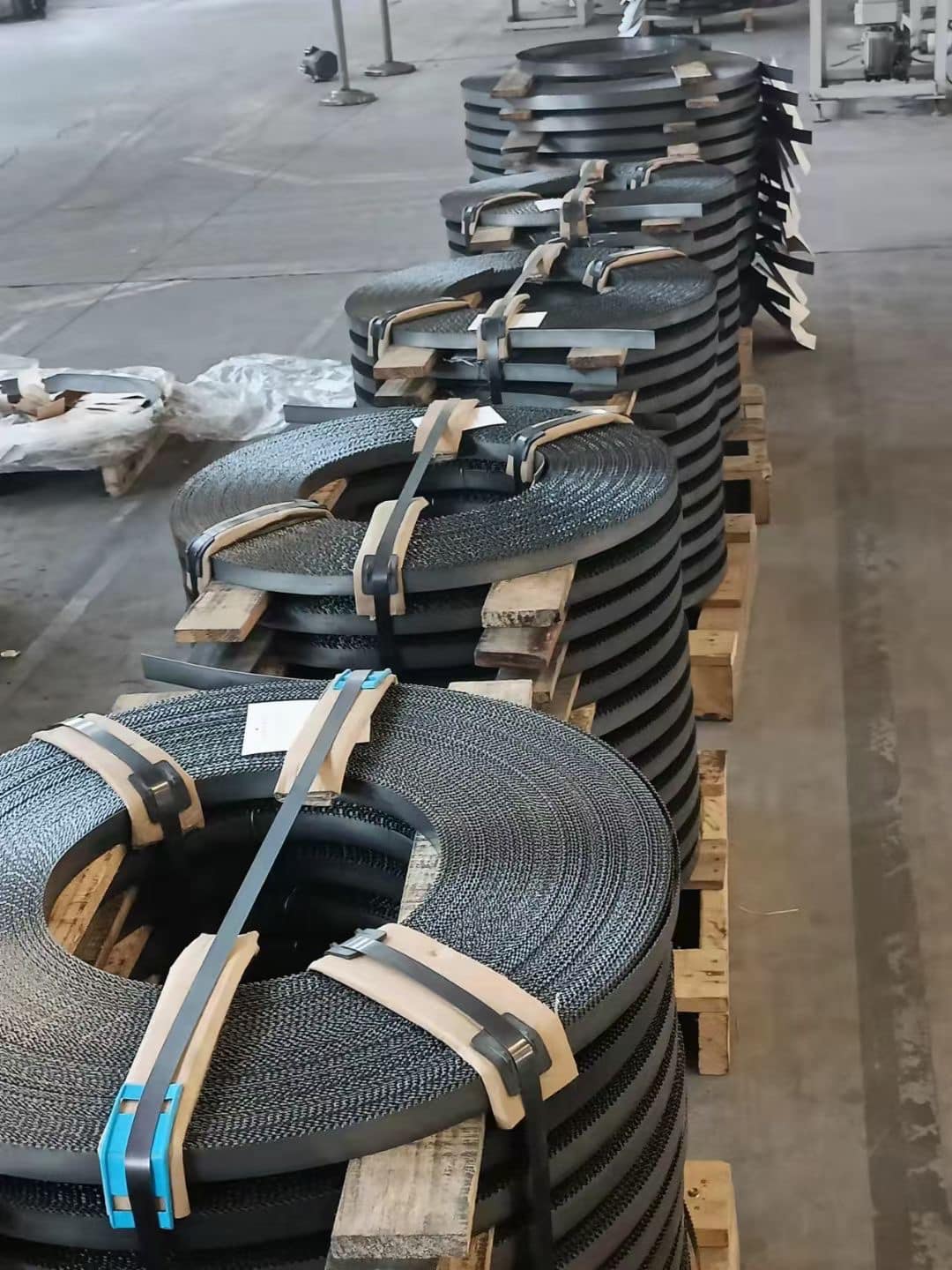
You can store blades either vertically or horizontally. For vertical storage, hang them on strong steel racks or large hooks. For horizontal storage, lay them flat on dry, level shelves. Both ways stop the blades from bending and keep the teeth safe.

The way you position your blades is just as important as the room you put them in. An improperly stored blade can become warped without you even noticing until it makes a bad cut. Both vertical and horizontal methods work very well, but you need to do them correctly.
Comparing Storage Methods
Let's look at the two main ways to store your blades so you can choose what is best for your space and your team.
| Method | Advantages | Disadvantages | Best For |
|---|---|---|---|
| Vertical Hanging | - Saves floor space.<br>- No pressure on the blade body.<br>- Easy to see and access individual blades. | - Requires special racks or strong hooks.<br>- Blades can swing and hit each other if not secured. | - Large quantities of blades.<br>- Long-term storage.<br>- Workshops with limited floor space. |
| Horizontal Stacking | - Very easy to set up with standard shelves.<br>- Blades are very stable.<br>- Good for blades that come in boxes. | - Takes up more shelf space.<br>- Risk of bending if shelves are not flat.<br>- Can damage teeth if stacked too high without separators. | - Smaller quantities.<br>- Blades that will be used soon.<br>- Storing blades in their original boxes. |
In my own warehouse, we use vertical hanging for all our high-performance blades. It takes all the pressure off the blade body and guarantees they stay perfectly straight. For smaller orders that will ship out quickly, we use flat shelves. But we have a strict rule: never stack coiled blades more than three high without a piece of cardboard or wood between them. This protects the teeth2, which are the most important part of the blade.
What ongoing maintenance do stored blades need?
You found a good room and stacked your blades perfectly. You might think the job is done. But over a few months, problems like small rust spots can appear without you knowing.
Stored blades need a regular check. Look them over for any signs of rust, dirt, or damage to the teeth. If you store them flat, you should also rotate them sometimes. This simple care ensures your blades stay in perfect, ready-to-use condition.
Think of your stored blades like a car you don't drive often. You still need to check on it to make sure it will work when you need it. A quick inspection schedule can save you from the surprise of finding a damaged blade right when you have an urgent job. It only takes a few minutes but can prevent major production delays.
Your Blade Inspection Checklist
A simple and regular check is all you need. I recommend doing this once a month for all your stored blades. It is a good habit for any member of your team to learn.
- Check for Rust: Look closely at the blade body and especially the tips of the teeth. Do you see any orange or brown spots? Even a tiny spot can grow. If you find light surface rust, you can often clean it off with a dry cloth and a light machine oil. If the rust is deep, the blade may be damaged.
- Check for Damage: Run your eyes along the coil. Do you see any kinks, bends, or flat spots? These can happen if something heavy was accidentally placed on the blade. Also, look at the teeth. Are any of them chipped or bent? A blade with damaged teeth will not cut straight.
- Check for Cleanliness: Is there a heavy layer of dust on the blades? Dust holds moisture from the air and can lead to rust. Wipe the blades down with a clean, dry rag.
- Rotate and Reposition: This is only for blades stored horizontally. Every few months, re-stack the pile so the bottom blades are now on top. This changes the pressure points and prevents any one blade from developing a permanent set or bend over time.
This checklist is simple, but it is very effective. It is the same process we use for our own inventory. Taking care of your blades in storage means they will take care of you on the cutting floor.
Conclusion
Properly storing your band saw blades is simple. It requires a dry environment, the right physical support, and regular checks. This protects your investment and keeps your production running smoothly.