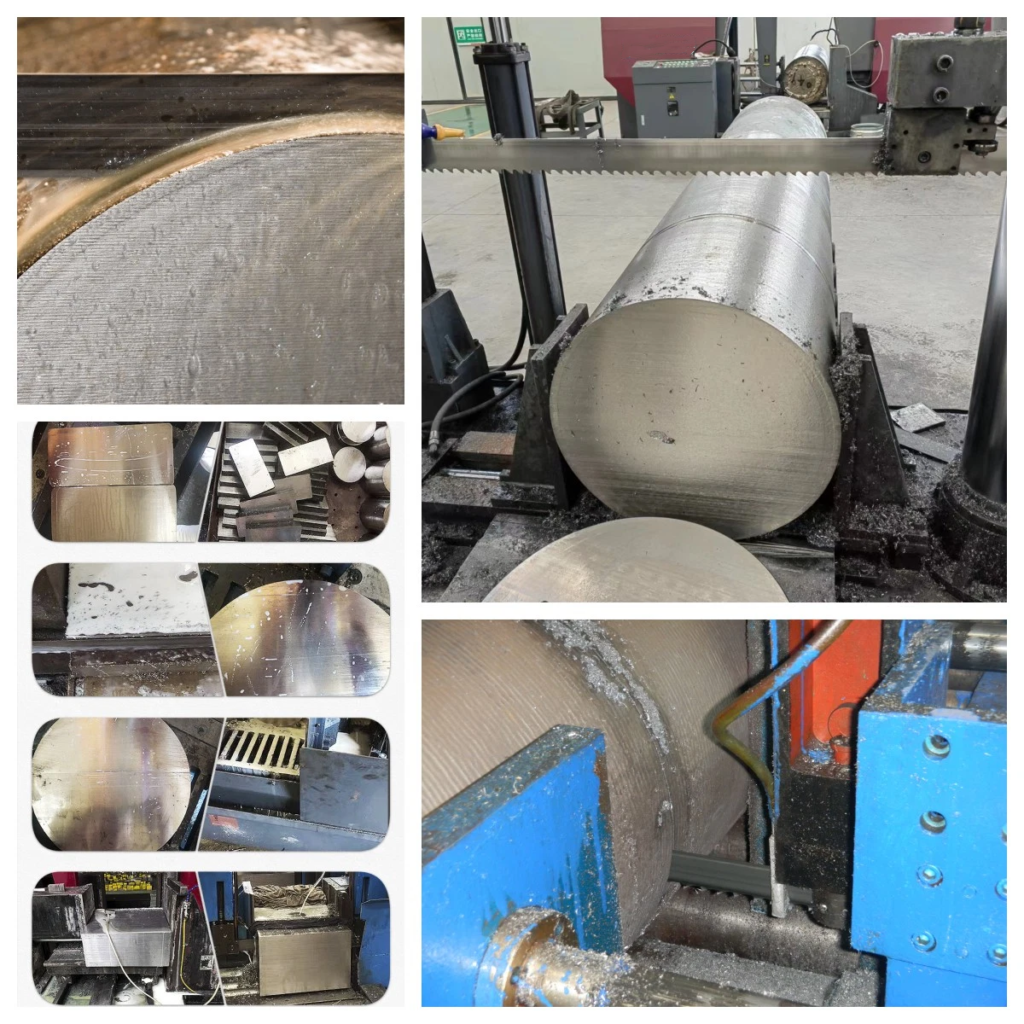
Seeing piles of metal chips after a cut? It's not just messy. Those chips wear down your blades, spoil your work, and can even break your saw.
Metal chips are caused by your material's properties, blade condition, and cutting speed. To manage them, you must choose the right blade, adjust your machine settings, maintain your equipment, and establish a consistent cleaning process to protect your cuts and extend blade life.
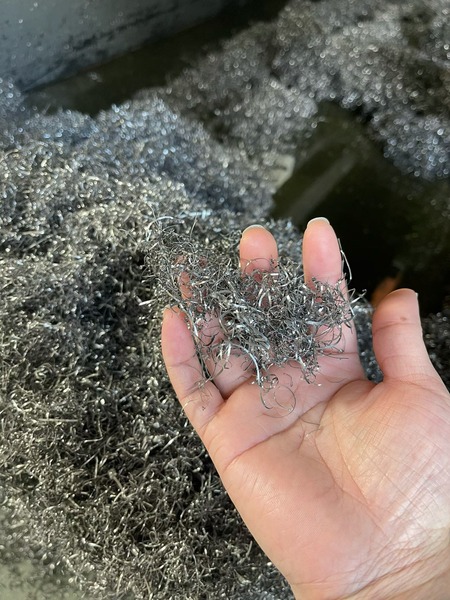
I've spent years in workshops and I've seen firsthand how unmanaged metal chips can bring an entire operation to a halt. It’s a frustrating problem, but it’s a solvable one. The key is to stop thinking of chips as just waste and start seeing them as feedback. They tell you everything you need to know about your cutting process. Let's break down exactly what’s going on and how you can fix it for good.
Why Do My Band Saw Cuts Produce So Many Metal Chips?
Is your workspace constantly covered in a mountain of metal chips? You worry it’s a sign of a bigger problem, like excessive blade wear or a struggling machine, but you're not sure.
The main reasons are the metal you're cutting, the condition of your saw blade, your cutting speed, and your cutting path. Understanding these four factors is the first step to getting cleaner cuts and producing fewer, more manageable chips.
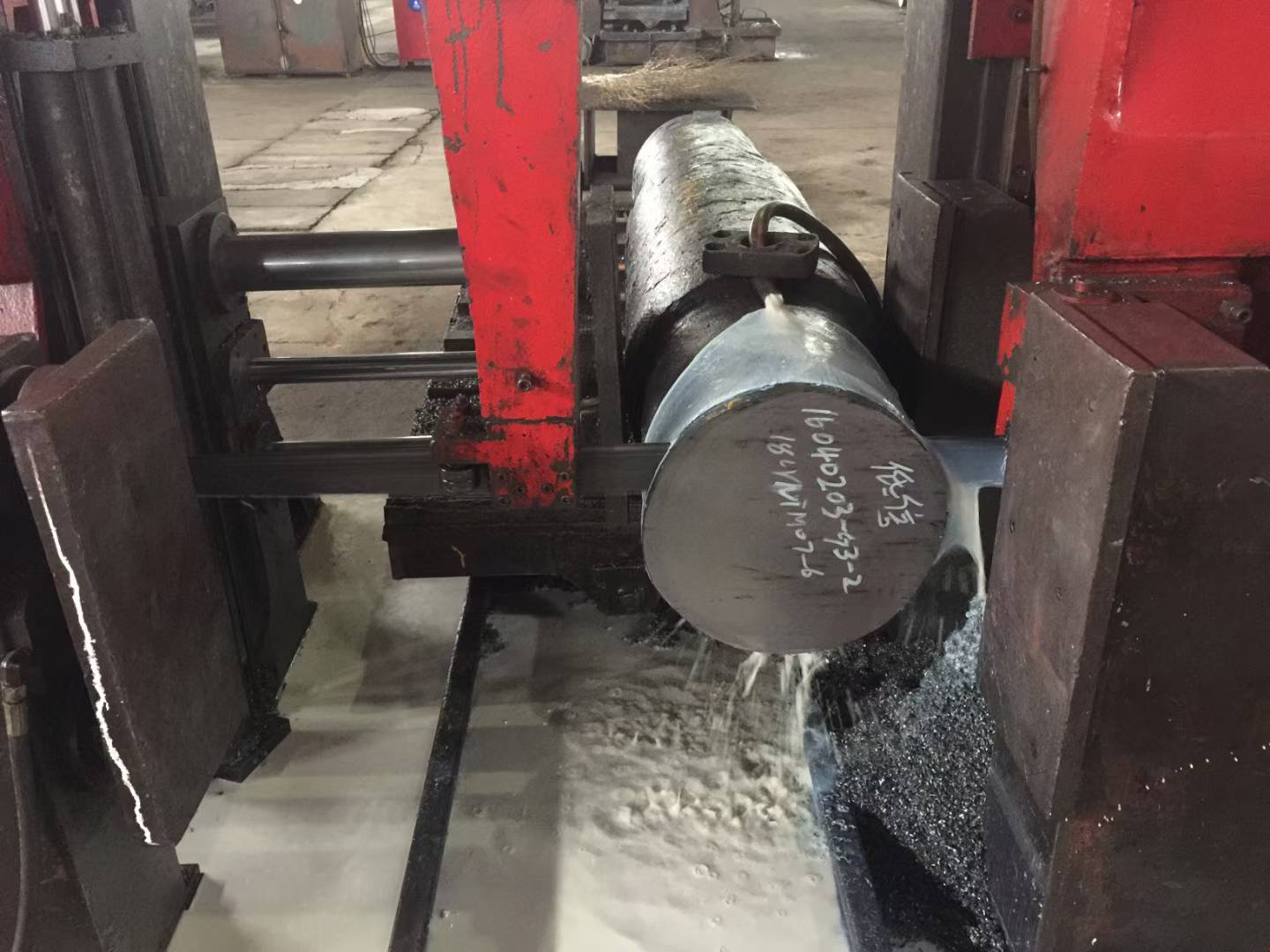
Let's dive a little deeper into what causes these chips to pile up. It's not just one thing, but usually a combination of factors. When I visit a factory floor and see a problem with chip buildup, I always start by looking at these four areas. By breaking down the problem, we can find a clear solution. It’s about working smarter, not just cleaning harder. The goal is to control the creation of chips at the source, which makes everything that follows easier, cleaner, and more efficient.
The Metal Itself Matters
The first thing to consider is the material you are cutting. Different metals behave differently. A metal's hardness, toughness, and ductility directly impact what the chip will look like. For instance, a very hard metal like tool steel is brittle. It doesn't bend much before it breaks, so it tends to produce small, segmented chips. On the other hand, a soft metal like aluminum is very ductile. It creates long, stringy, continuous chips that can clog up the blade's gullets if you're not careful. I've seen these long aluminum chips wrap around a blade and cause all sorts of trouble. Understanding this helps you anticipate the problem.
| Metal Type | Properties | Typical Chip Form |
|---|---|---|
| Mild Steel | Low Hardness, High Ductility | Long, continuous, curly chips |
| Hardened Steel | High Hardness, Low Ductility | Short, brittle, segmented chips |
| Aluminum | Low Hardness, Very Ductile | Soft, gummy, long chips that can clog |
| Stainless Steel | High Toughness | Tough, stringy, difficult-to-break chips |
Your Blade's Role in Chip Making
The blade is your primary tool here, and its condition is critical. A sharp, well-maintained blade with the correct tooth geometry will form perfect, clean chips. A dull blade is a different story. Instead of shearing the metal, it rubs and pushes its way through. This generates a lot of extra heat and creates fine, powdery chips or poorly formed ones that don't clear away easily. Blade tension is just as important. If your blade is too loose, it will vibrate and wander in the cut. This creates inconsistent, broken chips and puts a lot of stress on the blade itself, leading to premature failure. I always tell my clients to check blade tension at the start of every shift. It's a simple step that prevents huge headaches later.
Are You Cutting Too Fast?
Many operators think faster is always better, but that's not true in metal cutting. Your cutting speed and feed rate directly control the "chip load," which is the thickness of the metal each tooth removes. If you push the material too fast (a high feed rate), you create very thick chips. These thick chips can overload the gullets, the space between the teeth, and cause the blade to jam or even break. If your cutting speed (the speed the blade is moving) is too high, you create excessive heat. This heat can actually harden the surface of the metal you're cutting, making it even harder for the teeth to do their job and leading to rapid blade wear. Finding the right balance is key.
Your Cutting Path and Stability
Finally, how you cut matters. A stable machine and a securely clamped workpiece are essential for good chip formation. If the material can vibrate or move during the cut, the blade's teeth can't engage with it consistently. This leads to irregularly shaped chips and a poor surface finish. The blade itself might start to "wander," or cut crookedly. This not only ruins the part but also puts sideways stress on the blade. Straight, steady cuts allow each tooth to take a clean, even bite out of the material. This produces the kind of uniform, easy-to-manage chips that we want to see.
How Can I Effectively Manage and Reduce Metal Chips?
You know chips are a problem, but cleaning them up feels like a losing battle. They get everywhere, clog the machine, and force you to constantly stop your work to clear them out.
The best way to manage chips is to prevent them from becoming a problem. This means choosing the correct blade for your material, setting the right speeds, using proper cutting techniques, and implementing a regular cleaning and blade maintenance schedule.
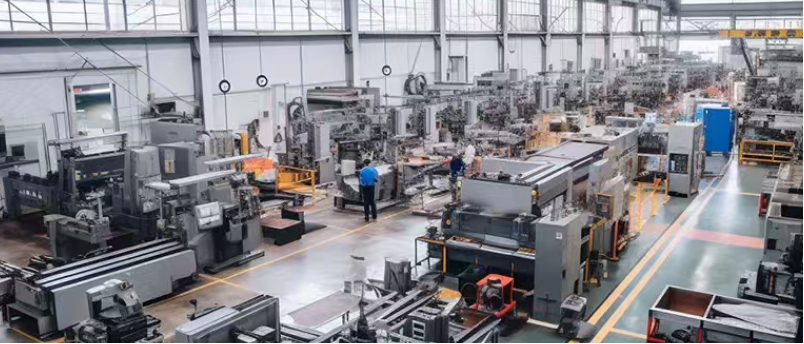
Managing chips is not just about cleanup after the job is done; it's an active process that happens before, during, and after every single cut. Shifting your mindset from reactive cleaning to proactive management will completely change your workflow. It will make your workshop safer, your cuts more accurate, and your blades last significantly longer. I've helped countless customers implement these strategies, and the results are always immediate and impressive. It's about taking control of the entire cutting process from start to finish.
Choose the Right Tool for the Job
This is the most important step. Using the wrong blade for the material is like trying to chop a tree with a butter knife. It just won't work well. I always recommend my clients match the blade to the material. For hard, abrasive materials like high-carbon steel, a carbide-tipped blade is a great choice because it holds its edge longer. For general-purpose cutting across a variety of metals, a quality bi-metal blade is often the most cost-effective solution. The tooth pitch, or Teeth Per Inch (TPI), is also critical. A coarse pitch (fewer TPI) is needed for thick, solid materials to provide enough gullet space for the large chips. A fine pitch (more TPI) is used for thin materials like tubing to ensure at least three teeth are in the cut at all times.
Find the Sweet Spot for Speed and Feed
Once you have the right blade, you need to run it correctly. Most saw manufacturers provide charts with recommended speeds and feeds for different materials. These are your starting point. From there, you need to observe the chips. I tell people to look at the chips because they tell you the story of the cut. A good chip will be curled and feel slightly warm to the touch. If your chips are blue or discolored, your speed is too high and you're generating too much heat. If they are like fine powder, your feed rate is too low, and the blade is rubbing instead of cutting. Making small adjustments until you see those perfect, curled chips will optimize your cutting and dramatically extend the life of your blade.
Improve Your Cutting Technique and Machine Setup
A great blade and perfect settings won't help if your setup is poor. Always make sure your workpiece is clamped securely. Any movement or vibration will be transferred to the blade, resulting in a bad cut and poor chip formation. Also, never underestimate the power of cutting fluid or coolant. It does two critical jobs: it reduces heat and friction, and it helps flush the chips out of the cut and away from the blade's teeth. This prevents chips from being re-cut, which dulls the blade very quickly. Making sure your coolant system is running properly is a simple way to improve both cut quality and blade longevity.
Make Chip Removal Part of the Process
Most modern band saws are equipped with a wire chip brush that is supposed to clean chips out of the blade's gullets as it exits the cut. I am always surprised by how many operators ignore this feature. You must check that your chip brush is correctly positioned and not worn out. If it isn't making firm contact with the blade, it's not doing its job. This means chips are carried back into the new cut, causing all sorts of problems. If your machine doesn't have a brush, you have to be even more vigilant about keeping the blade and the cutting area clear. A clean machine is an efficient machine.
A Well-Maintained Blade is a Clean-Cutting Blade
Finally, you need a routine for blade care. This isn't complicated, but it needs to be consistent. Before starting a big job, take a moment to inspect the blade. Are the teeth still sharp? Are any chipped or missing? Is the blade tensioned correctly according to the machine's specifications? A little preventative maintenance goes a long way.
| Maintenance Check | Frequency | Why It Matters |
|---|---|---|
| Check Blade Tension | Daily | Prevents blade wander and vibration. |
| Inspect Chip Brush | Daily | Ensures chips are cleared from blade gullets. |
| Check for Dull/Damaged Teeth | Before each major job | Dull teeth rub instead of cut, creating heat and poor chips. |
| Check Coolant Levels | Daily | Coolant flushes chips and reduces heat. |
Conclusion
Controlling metal chips is not just about cleaning up. It's about making better cuts, extending blade life, and running a safer, more efficient workshop.