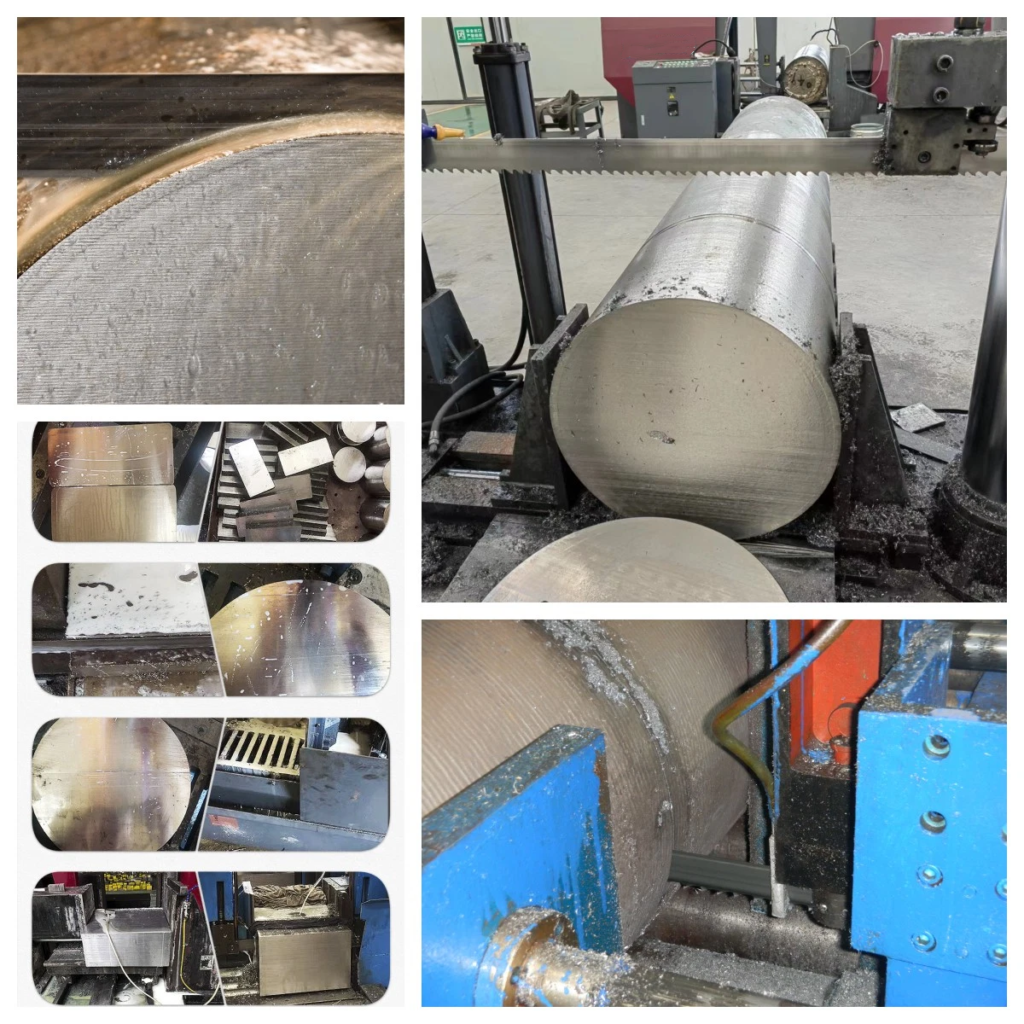
Your production line is slowing down. Cuts are taking too long, costing you time and money. This inefficiency is frustrating and hurts your bottom line. Let's find the cause.
Low cutting efficiency with bimetal band saw blades often points to problems with the blade's quality, the sawing machine's condition, operator handling, or the workpiece itself. A systematic check of these areas usually reveals the root cause, allowing you to restore your productivity.
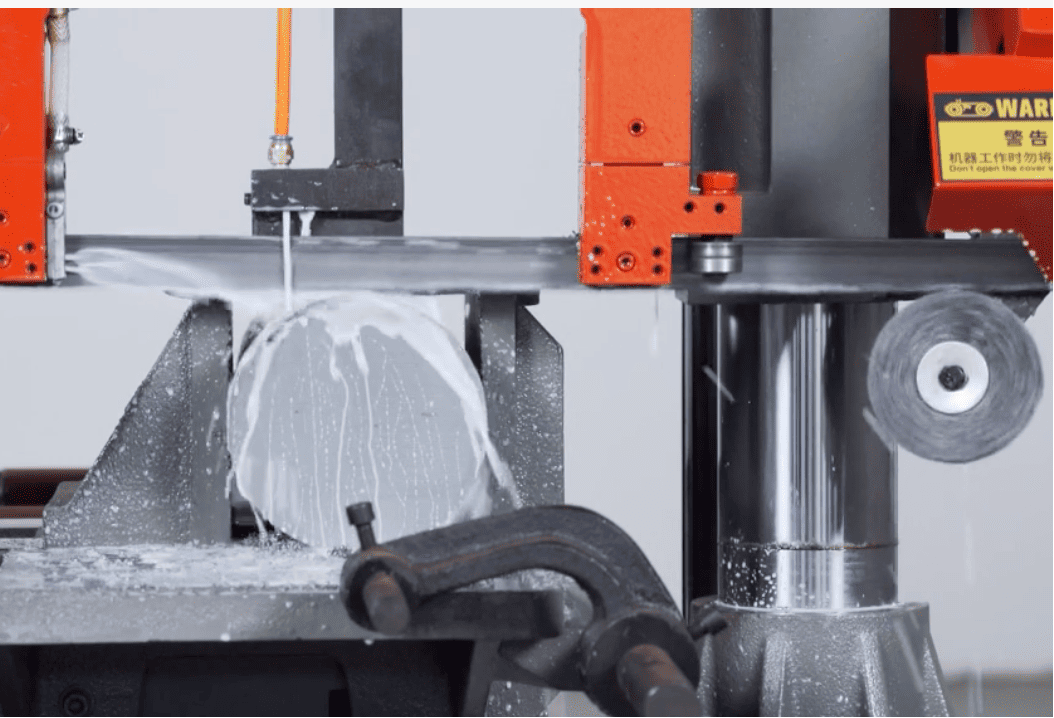
I’ve spent years in this business, and I’ve seen it all. A slow-cutting blade is one of the most common complaints I hear from factory managers. The good news is that the problem is almost always solvable. It's just a matter of knowing where to look. You don't have to guess or live with poor performance. Let’s walk through the most common culprits together, so you can get your operations back up to speed.
Could Your Blade's Quality Be the Problem?
Are you sure the new blades you bought are up to standard? Sometimes a bad batch can cause major headaches and slow down your entire process, wasting valuable production hours.
Yes, poor blade quality is a major reason for slow cutting. This can be due to substandard raw materials, bad welding joints, or improper surface treatment. A low-quality blade simply cannot perform well, no matter how good your machine or operator is.
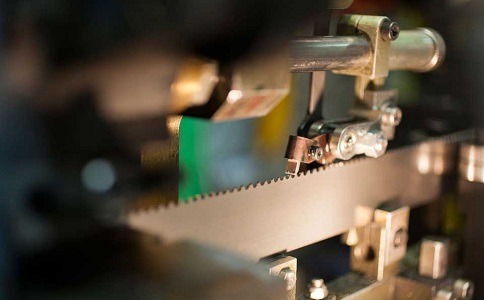
I remember a client who was convinced his machine was failing. His cutting times had nearly doubled overnight. I took one look at his new batch of blades and could tell something was off. The weld seemed rough, and the teeth didn't feel as sharp. We swapped it for one of our own blades, and the machine cut perfectly. It’s a classic case of a tool not meeting the demands of the job. A blade is not just a piece of metal; it’s a precision instrument. If its foundation is weak, the entire cutting process suffers. Let's break down what "blade quality" really means.
What to Look For in Blade Quality
The quality of a bimetal band saw blade depends on three main factors.
- Poor Raw Materials: The blade is made of two types of steel welded together. If the high-speed steel for the teeth or the spring steel for the back is low-grade, the blade will fail. It won't hold its sharpness, and it won't be flexible enough to handle the tension.
- Bad Welding: The teeth are welded to the backer. A poor weld is a weak point. It can cause tiny cracks that lead to the blade breaking or just not cutting straight. This creates vibration and slows everything down.
- Improper Surface Treatment: The surface of the blade needs to be treated to reduce friction. If this step is done poorly, the blade will drag instead of glide through the material. This creates extra heat and resistance, which kills efficiency.
| Quality Factor | Good Blade | Bad Blade |
|---|---|---|
| Material | High-grade steel | Substandard alloys |
| Weld | Smooth, strong seam | Rough, brittle joint |
| Surface | Low friction | High friction, rough |
Is Your Sawing Machine Holding You Back?
Your operator is skilled, and you're using high-quality blades. But the cuts are still slow and crooked. Could the problem be the machine itself, quietly sabotaging your efficiency?
Absolutely. A sawing machine with poor accuracy, a faulty transmission system, or incorrect settings will severely limit cutting speed. Even the best blade cannot make up for a machine that is not running correctly. It's a common and often overlooked issue.
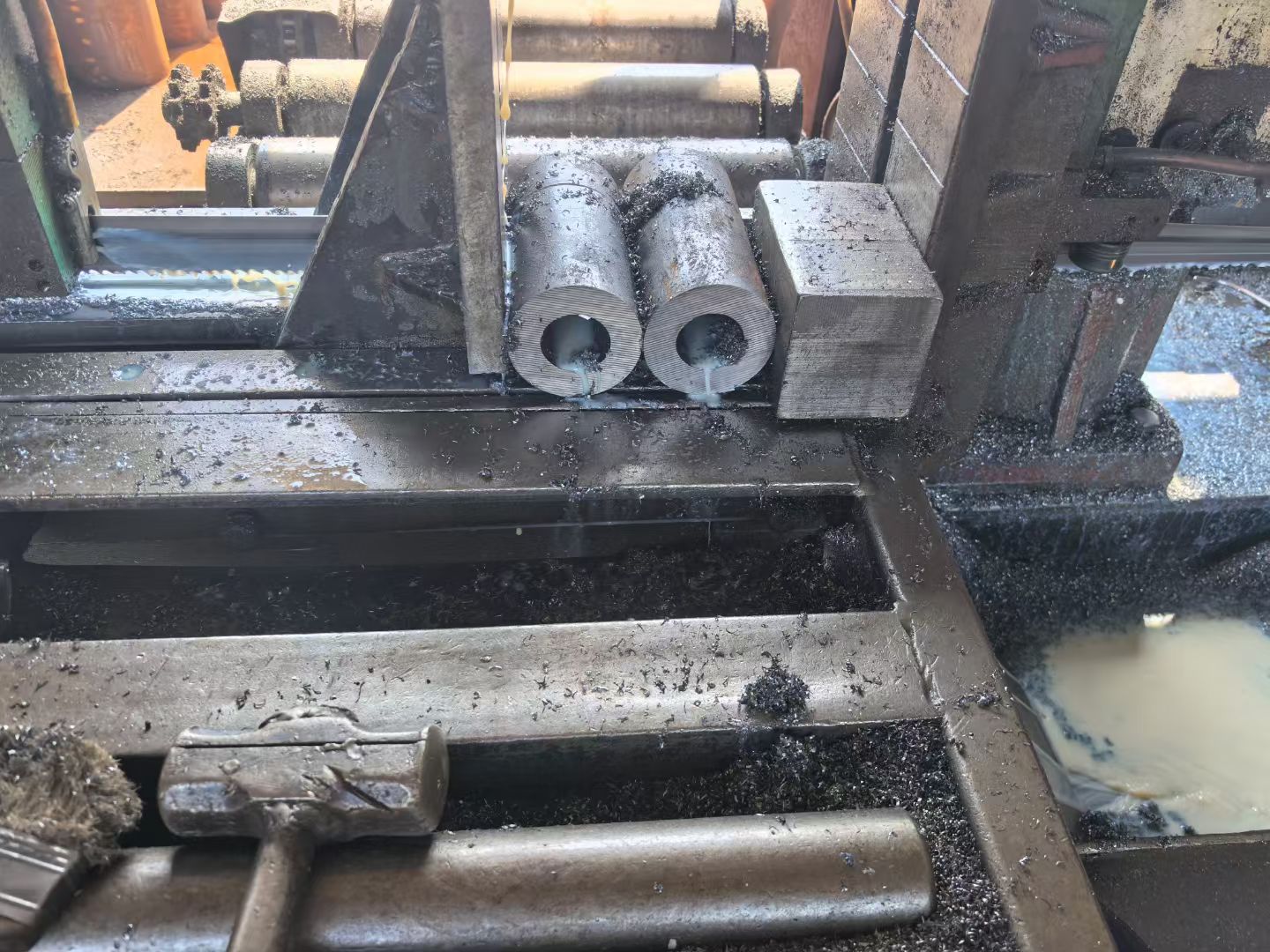
I once visited a large fabrication shop. They had top-of-the-line blades but were getting terrible performance. We started looking at the machine. The guide arms, which hold the blade straight, were slightly loose. It was a tiny misalignment, but it was enough to cause the blade to vibrate and wander in the cut. This small vibration forced them to slow the feed rate way down to get a straight cut. We tightened the guides, and it was like having a brand-new machine. It shows that your saw blade and sawing machine are a team. If one part isn't doing its job, the whole team fails.
Key Machine Issues to Check
Your band saw machine is a complex piece of equipment. Small problems can lead to big drops in efficiency.
- Low Machine Accuracy: The machine parts guide the blade. If the guides or the bed are worn or misaligned, the blade will not run true. This causes vibrations and crooked cuts, forcing the operator to slow down.
- Transmission System Faults: The machine's motor turns the wheels that drive the blade. If the drive belt is loose or the gears are worn, the blade speed will not be constant. This fluctuation makes the cut uneven and inefficient.
- Improper Machine Settings: Every job needs the right speed and feed rate. If the blade speed is too slow for the material, you're wasting time. If the feed rate (how fast you push the material) is too low, you're not cutting aggressively enough. These settings must match the blade and the material.
| Machine Component | Potential Problem | Effect on Cutting Efficiency |
|---|---|---|
| Blade Guides | Worn or misaligned | Vibration, crooked cuts, slower feed |
| Transmission Belt | Loose or worn | Inconsistent blade speed, poor cut |
| Speed/Feed Dials | Incorrectly set | Cutting is too slow or too aggressive |
Are Operator Habits Affecting Your Cutting Speed?
You have a great machine and the best blades. But performance is still inconsistent. One day things run smoothly, the next day they don't. Could the difference be the person running the machine?
Yes, operator actions can greatly reduce cutting efficiency. Improper use of the machine or an inconsistent feed rate are common problems. An operator who is not fully trained or focused can prevent the blade and machine from performing at their best.
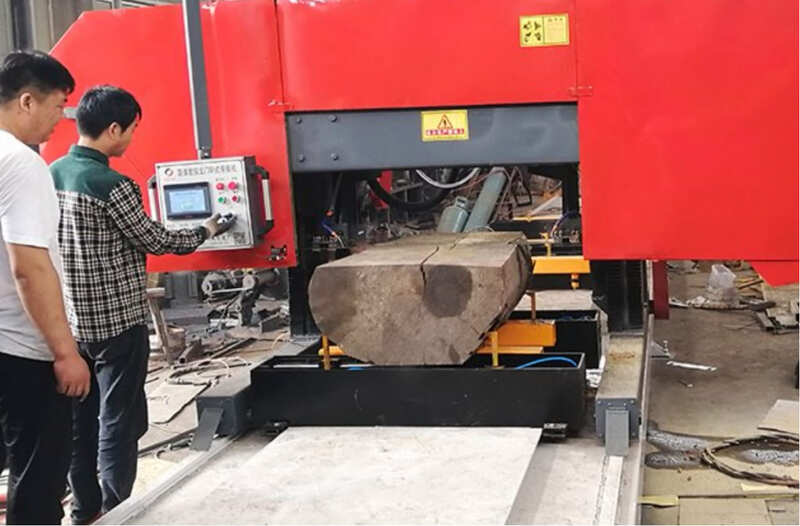
When I was starting out, I learned a tough lesson about feeding material. I was in a hurry and pushed a steel bar into the saw too quickly and then backed off. The blade made a horrible noise. My manager came over and explained that the blade's teeth need a steady "bite" of material. Pushing inconsistently is like tapping the gas pedal in your car over and over. You go nowhere fast, and you put a lot of stress on the engine. The same is true for a saw blade. A smooth, constant feed rate is crucial for an efficient cut. It's a skill that separates a good operator from a great one.
How Operators Impact Efficiency
The operator is in direct control of the cut. Their skill and attention to detail make a huge difference.
- Improper Operation: Every operator should know the machine's functions inside and out. They need to understand how to set blade tension correctly, how to position the guide arms, and how to use the coolant system properly. A lack of familiarity with the equipment often leads to cautious, slow cutting and mistakes that can damage the blade or the workpiece.
- Unstable Feed Rate: This is one of the biggest efficiency killers. The operator must apply steady pressure to feed the material into the blade. If the pressure varies, the teeth will either take too big of a "bite" or skim over the surface. Both scenarios are inefficient. A steady feed allows each tooth to do its job properly, resulting in a fast, clean cut. Many modern machines have hydraulic or automatic feed systems to solve this, but even then, they must be set correctly.
| Operator Action | Inefficient Habit | Efficient Habit |
|---|---|---|
| Machine Use | Guessing at settings, improper setup | Following procedures, correct setup |
| Feeding Material | Inconsistent, jerky pressure | Smooth, constant forward pressure |
| Monitoring | Not watching or listening to the cut | Paying attention to sounds and chips |
Does the Workpiece Material Matter for Efficiency?
You've checked your blade, your machine, and your operator's technique. Everything seems perfect. But when you switch to cutting a new type of material, your efficiency drops. Why does the workpiece itself change everything?
The material being cut has a massive impact on efficiency. Harder materials naturally require more energy and time to cut. Also, workpieces with uneven thickness or shape can cause problems, forcing slower speeds to maintain a straight cut.
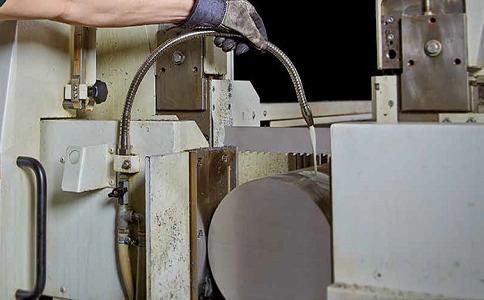
I often get calls from customers who are confused about this. One client was cutting standard mild steel for months with no issues. Then they got a job cutting a hardened tool steel. They used the same blade and the same machine settings. They called me, frustrated that their blades were dulling in a few hours and the cuts were taking forever. I had to explain that cutting hardened steel is a completely different game. It requires a different type of blade, a slower blade speed, and a different feed rate. The material dictates the rules of cutting. You can't force a blade to do something the material won't allow.
Understanding Workpiece Challenges
You must adapt your cutting strategy to the material you are working with.
- Material Hardness: This is the most obvious factor. Hard materials like stainless steel, tool steel, or titanium alloys create more friction and resistance. This resistance generates more heat and wears down the blade's teeth much faster. To cut hard materials, you must slow down the blade speed to manage heat and use a blade designed with a harder tooth material and a different tooth geometry. Forcing a standard blade through hard material at high speed will destroy the blade and produce a very slow, poor-quality cut.
- Uneven Workpiece Thickness: When you cut material that isn't flat or uniform, like a structural beam or an oddly shaped part, the blade experiences changing forces. As it cuts through a thick section and then a thin one, the load on each tooth changes. This can cause vibrations and lead to a rough, inefficient cut. To handle this, the operator must often reduce the feed rate to ensure the blade stays stable throughout the entire cut, which naturally slows down the process.
| Material Challenge | Why It Slows Cutting | Solution |
|---|---|---|
| High Hardness | Creates more friction, heat, and tooth wear. | Use a specific blade, slow down blade speed. |
| Uneven Thickness | Causes inconsistent load on blade teeth, leading to vibration. | Reduce the feed rate for a stable cut. |
Is Poor Maintenance Slowing Down Your Cuts?
You've invested in good blades and machines. But over time, performance has slowly gotten worse. Could a simple lack of cleaning and care be the hidden reason for your drop in efficiency?
Definitely. Poor maintenance is a slow but sure way to kill cutting efficiency. A severely worn blade that isn't replaced or a dirty machine will not perform well. Regular maintenance is not optional; it's essential for productivity.
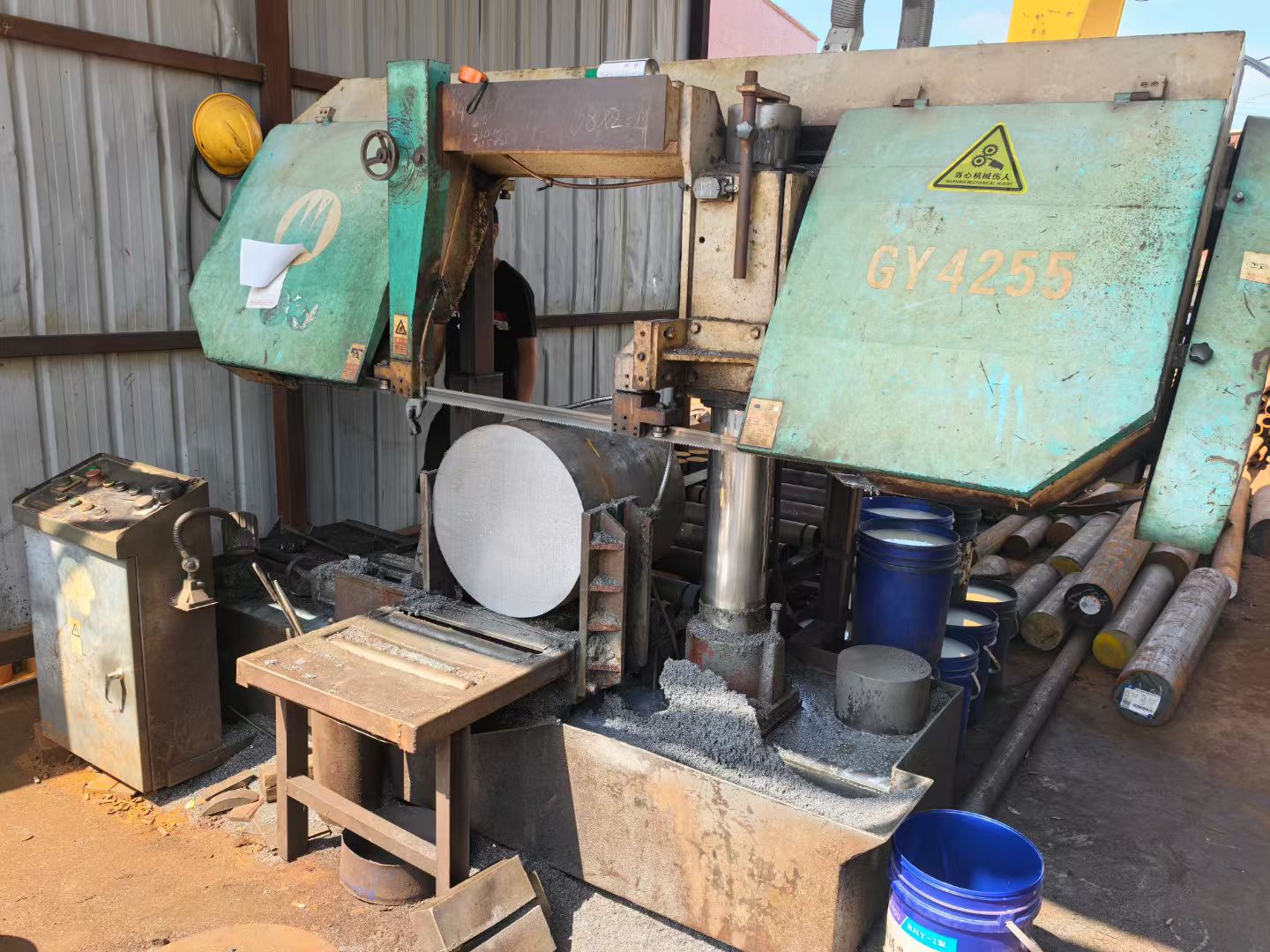
This reminds me of a small workshop I visited. Their cutting times were getting longer and longer. The operator was blaming the blades. I walked over to the machine and saw that it was caked in metal chips and old, gummy coolant. The chip brush, which is supposed to clean the blade, was completely clogged and not even touching the teeth. The blade was carrying chips back into the cut, causing it to drag and cut slowly. We spent 30 minutes cleaning the machine, especially the guides and the coolant system. The difference was immediate. It's like trying to run a race with mud on your shoes. A little cleaning goes a long way.
Two Critical Maintenance Failures
Neglecting maintenance leads to a gradual decline in performance that can be hard to notice day-to-day.
- Severely Worn Blade: Bimetal blades don't last forever. As they cut, the sharp points of the teeth slowly wear down and become rounded. A dull blade doesn't cut; it rubs. This creates extreme friction and heat, slows the cut to a crawl, and can even work-harden the material, making it even more difficult to cut. Operators must be trained to recognize the signs of a dull blade—like needing more feed pressure or seeing discolored chips—and replace it promptly. Pushing a dull blade is just wasting time and energy.
- Improper Machine Cleaning: A band saw machine creates a lot of metal chips. These chips must be cleared away. If they build up inside the machine, they can clog the blade guides, block coolant nozzles, and get packed into the drive wheels. A dirty machine puts more strain on the blade and motor. It also prevents the coolant from reaching the cut, leading to overheating. A simple daily or weekly cleaning routine is one of the most effective ways to maintain high cutting efficiency.
Conclusion
Slow cutting is usually caused by issues with the blade, machine, operator, or material. Finding the specific problem and fixing it will restore your efficiency and improve your production output.